

Can DNA Form by Chance, or Does Consciousness Play a Role?
The origins of life remain one of science’s greatest mystery. At the heart of this enigma lies DNA, a molecule so precise and complex that it functions as life’s blueprint. But could something as intricate as DNA, along with RNA, proteins, and ribosomes, emerge spontaneously through random processes? The probabilities suggest otherwise.
Statistically speaking, the likelihood of even a single functional DNA strand or protein forming randomly is so staggeringly small that it challenges conventional naturalistic explanations. Yet life exists, sustained by molecular systems that are not only interdependent but exhibit remarkable order, coherence, and functionality. This raises a fundamental question: Is randomness sufficient to explain the origins of life, or is there a guiding principle at play?
In this blog series, we explore an emerging perspective rooted in Quantum Realism (QR), a framework that integrates quantum mechanics, information theory, and consciousness. QR proposes that consciousness is not a product of matter but a fundamental aspect of reality. It suggests that primal consciousness acts as a guiding force, collapsing quantum probabilities into stable, ordered configurations, enabling the emergence of molecules essential for life.
Through a step-by-step exploration, we will:
- Challenge the Randomness Hypothesis: Analyze the statistical and thermodynamic barriers to spontaneous molecular formation.
- Introduce Quantum Realism: Explain how consciousness interacts with the quantum field to stabilize low-entropy, functional states.
- Uncover the Mechanics of Coherence: Explore how quantum superposition, resonance, and recursive processes drive molecular evolution.
- Trace the Path to Life: Demonstrate how complexity emerges gradually as coherence density increases, leading from molecules to living organisms.
This series aims to bridge the gap between science and deep existential questions, offering a rigorous exploration of how consciousness may play a pivotal role in shaping the building blocks of life.
For those who seek answers beyond conventional paradigms, I invite you, on this journey, to rethink the nature of reality, the role of consciousness, and the processes that brought life into existence. We’ll move beyond chance and explore the possibility of a consciousness guiding the universe and life.
Section 1: Introduction: Framing the DNA Problem
1.1 The Complexity of DNA
DNA’s structure (a double-helix) comprises nucleotide bases adenine (A), thymine (T), cytosine (C), and guanine (G). The bases act like letters encoding biological information, guiding the synthesis of proteins. Consider the challenge:
- Each specific sequence of nucleotides determines the correct amino acid chain for functional proteins.
- The sheer number of possibilities for incorrect sequences vastly outweighs the correct ones.
If DNA molecules arose by pure chance:
- For a simple DNA strand of N bases, the number of possible sequences is 4N (since each position can hold A, T, C, or G).
- A strand just 100 bases long gives 4100 ≈ 1060 possibilities, staggeringly large number.
1.2 The Quantum Realism Hypothesis
Quantum Realism proposes that the physical universe, including molecular systems, emerges from a fundamental quantum field. Consciousness, rather than being a derivative phenomenon, is fundamental and precedes the physical universe.
The primal consciousness equation C0 = f(C0) suggests that:
- Consciousness (denoted C0) recursively generates itself and acts as a foundational substrate for reality.
- Order, coherence, and complexity arise naturally when a conscious observer collapses quantum probabilities into specific states.
Quantum Realism introduces the notion that a conscious observer, either localized or universal, guides the formation of DNA-like systems, resolving the improbability of their spontaneous emergence.
1.3 Framing the Problem with Math
Let us frame the probability of DNA formation mathematically. Assuming random chance as the mechanism:
- Probability of Correct Sequence:
For a sequence of length N, with k = 4 possible nucleotides per position, the probability of a correct sequence P is: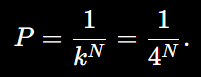
For example: N = 100: P = 10−60. - Time Considerations:
Suppose the Earth has existed for t = 1017 seconds (approximately 4.5 billion years). Even if molecular bonds form and break at 1012 attempts per second across 1030 molecules on Earth, the total number of trials T is:
T = 1017 ⋅ 1012 ⋅ 1030 = 1059.
This falls short of 1060, showing the sheer improbability of DNA formation by chance even in the entire history of the Earth. - Implication:
Random assembly fails to account for DNA’s emergence. Quantum Realism suggests a solution: DNA’s formation may be influenced by quantum coherence driven by consciousness.
1.4 The Conscious Observer
Quantum Realism states that:
- Quantum fields respond to an observer effect, collapsing probabilistic quantum states into specific outcomes.
- Consciousness could act as a guiding observer, introducing the coherent structures necessary for complex systems like DNA.
Thus, the fundamental question is reframed: Does the emergence of DNA require a conscious observer as a quantum mechanism? If so, what role does consciousness play in stabilizing molecules within the chaotic quantum field?
Section 2: Statistical Improbabilities in Molecular Assembly
In this section, we rigorously analyze the probabilities involved in the spontaneous formation of DNA, considering both simple and human-length DNA sequences. By incorporating mathematical estimates and time-based constraints, we highlight the severe limitations of random assembly processes and suggest the role of Quantum Realism consciousness as a guiding factor.
2.1 The Random Assembly Model
The spontaneous formation of DNA begins with nucleotides (A, T, C, G) arranging themselves into a specific sequence to encode functional biological information. Mathematically, for a DNA strand of length N:
- Total Number of Combinations:
Each position in the DNA sequence has k = 4 possibilities. Therefore, the total number of configurations is: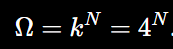
- Probability of a Correct Sequence:
The probability P of forming a correct sequence purely by chance is the reciprocal of the total configurations: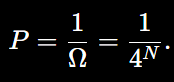
Let us apply this to two cases:
a simple 100-base DNA strand and human DNA with ~3 billion bases.
2.2 Case 1: Simple DNA Strand (N = 100 Bases)
For N = 100, the total number of configurations Ω is: Ω = 4100 ≈ 1060.
Thus, the probability of randomly obtaining a specific sequence is: P = 1/1060.
This number is astronomically small, highlighting the improbability of random assembly even for a short sequence.
2.3 Case 2: Human DNA (N ≈ 3 billion bases)
Human DNA is approximately 3 billion bases long (N = 3 × 10⁹). The total number of possible configurations is: 
The probability of forming this exact sequence randomly is: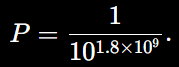
This probability is practically zero! It far exceeds the combinatorial capabilities of the known universe. Even if every atom in the observable universe (estimated at 1080) participated in molecular trials for the entire lifespan of the universe (1017 seconds), the total trials T would be:
Compared to 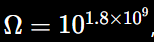 the number of trials T falls short by hundreds of orders of magnitude.
2.4 Time Estimates for Random Formation
If we assume molecular bonds form and break at a rate of 1012 attempts per second (a generous assumption), the time required for a correct sequence to randomly appear can be approximated.
For a simple DNA strand (N = 100):  .
.
Converting 1048 seconds to years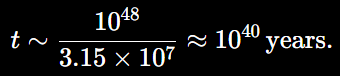
For context, the age of the observable universe is only 1010 years. Even a simple 100-base DNA strand would require time scales far exceeding the universe’s age.
For human DNA (N = 3 × 10⁹):
The result highlights the absurdity of expecting random processes to account for DNA formation.
2.5 Implications: Randomness Fails
From a statistical perspective, the probability of DNA forming spontaneously through random processes is effectively zero, even for short sequences. This raises critical questions:
- How did DNA arise with such incredible precision and complexity?
- Could a conscious observer intervene at the quantum level to guide molecular assemblies?
Quantum Realism proposes that a conscious quantum field collapses possibilities into ordered structures, introducing coherence into what would otherwise be random configurations.
2.6 The Role of Quantum Realism Consciousness
Quantum Realism suggests that consciousness is a fundamental aspect of reality. This consciousness could:
- Collapse Quantum States: Through the observer effect, consciousness may collapse quantum probabilities into specific molecular configurations.
Mathematically, the probability distribution of states can be represented as: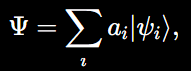
where ai are probability amplitudes.
Consciousness interacts via a coherence function g(ai), leading to preferred outcomes: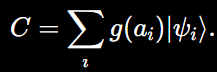
- Introduce Coherence: Quantum coherence allows certain molecules to remain in a superposition of states longer, enabling the emergence of successful configurations.
- Reduce Randomness: By selectively stabilizing configurations, consciousness may guide molecules toward functional sequences (DNA) far more efficiently than random processes would allow.
- The statistical impossibility of DNA forming spontaneously is undeniable, even under generous time and trial assumptions.
- Human DNA, in particular, requires a level of order and precision that random chance cannot achieve.
- Quantum Realism proposes that consciousness, as a fundamental quantum mechanism, introduces coherence and collapses molecular probabilities into functional configurations.
Section 3: The Quantum Realism Framework
In this section, we formally introduce the Quantum Realism (QR) framework as a foundational basis for understanding how consciousness interacts with quantum systems to produce order, coherence, and complexity, potentially explaining the emergence of DNA. The section will cover:
- The Concept of Consciousness in Quantum Realism: Introducing primal and recursive consciousness.
- Key Mathematical Equations: Primal C0, recursive Cn, and the coherence functions g(ai).
- Quantum Processing and Field Density: The role of the quantum field in stabilizing molecular systems.
3.1 Consciousness as a Foundational Reality
Quantum Realism proposes that consciousness is fundamental, existing independently of physical reality. Unlike materialist models, where consciousness emerges from matter, QR introduces primal consciousness C0 as the starting point of all existence.
- Primal Consciousness (C0): Self-generative and self-sustaining. Represented mathematically as:
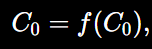
where f is a recursive function describing the self-referential nature of primal consciousness.- This recursion implies that C0 is not derived from anything external; it is an eternal and self-defined state.
- Analogous to a seed generating a fractal, primal consciousness projects patterns outward, creating complexity.
3.2 The Recursive Consciousness Equation
While primal consciousness C0 is the source, fractalized consciousness C(n) arises as a recursive process that builds complexity over iterations. Mathematically, we represent recursive consciousness as:
where:
- C(n): The n-th state of consciousness, derived from the previous state C(n−1).
- αC0: A decaying influence of primal consciousness on subsequent states, with α controlling its weight.
- f: A coherence-generating function that processes prior states to form new, ordered states.
3.3 Activation and Coherence in the Quantum Network
The quantum field serves as the substrate where primal and recursive consciousness interact. In QR, this field is a network of qubits (quantum bits), representing nodes of consciousness processing information.
The state of the quantum network is described as a superposition of quantum states:
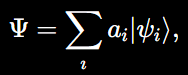
where:
- Ψ: The total quantum state of the system.
- ai: The probability amplitudes of each quantum state ∣ψi⟩.
Consciousness interacts with this network by applying a coherence function g(ai), which favors specific quantum states over others:
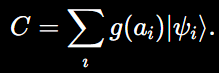
Here:
- g(ai): A function that amplifies states exhibiting coherence (entanglement, superposition) while suppressing incoherent states.
- Consciousness thus guides the evolution of the quantum system, favoring ordered and functional outcomes.
3.4 Field Density and Molecular Stability
The quantum field exhibits density as a measure of its capacity to process and stabilize information across nodes. In regions of high field density, quantum coherence persists longer, enabling more complex systems to form.
- Quantum Field Density (ρ): Represents the number of quantum channels or interactions per node.
Molecular stability within the quantum field depends on coherence duration. Consciousness interacts with molecular configurations, ensuring that functional sequences (like DNA) remain coherent long enough to stabilize:
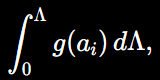
where Λ represents the field bandwidth available for processing.
3.5 The Role of Quantum Coherence in DNA Formation
Applying this model to molecular systems:
- Molecular Superposition: DNA sequences exist as quantum superpositions of all possible configurations:
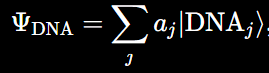
where ∣DNAj⟩ represents a specific sequence. - Consciousness as a Selector: Consciousness, through g(aj), introduces coherence by collapsing the superposition into functional states.
The probability of selecting a coherent state increases with the quantum field’s density and processing bandwidth. - Mathematical Probability Enhancement: The coherence function g(aj) biases probabilities toward ordered states:
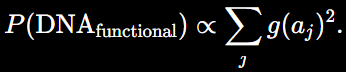
This mechanism allows consciousness to bypass the statistical limitations of random assembly, enabling the guided formation of complex molecules like DNA.
- Quantum Realism introduces primal consciousness C0 as the fundamental reality, recursively generating localized consciousness C(n) through self-sustaining processes.
- The quantum field acts as a network of nodes, where consciousness interacts by applying a coherence function g(ai).
- Quantum coherence, enhanced by consciousness, stabilizes molecular superpositions, guiding the evolution of functional DNA sequences.
Section 4: Features of the DNA System
In this section, we dive into the unique and remarkable features of the DNA system, highlighting its structural complexity and functional precision. These features underscore why DNA cannot be reduced to a product of random processes alone. Quantum Realism (QR) offers a plausible explanation: DNA’s order and coherence arise through consciousness-guided quantum processes, ensuring functional molecular configurations are stabilized.
4.1 DNA as an Information Carrier
DNA is not merely a molecule but a highly efficient information storage and transmission system. Its features parallel those of engineered systems:
- Information Encoding:
DNA encodes genetic information in the sequence of its nucleotide bases (A, T, C, and G). The four “letters” of the genetic code are arranged linearly along the double helix to form codons (triplets of bases) that specify amino acids.- Mathematically, the number of possible codon sequences for N codons is:
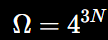
where the triplet structure (3 bases per codon) exponentially increases the potential information space.
- Mathematically, the number of possible codon sequences for N codons is:
- Redundancy and Error Correction:
DNA exhibits redundancy (multiple codons encode the same amino acid) to reduce errors in protein synthesis. Additionally, molecular mechanisms (DNA polymerase proofreading) correct errors during replication.- From an information theory perspective, DNA operates like a channel with error correction codes that minimize entropy and preserve fidelity.
- Transmission System:
DNA sequences are transcribed (copied) into RNA and subsequently translated into proteins via ribosomes. This resembles an engineered encoder-transmitter-receiver system, where:- Encoder: DNA transcription to RNA.
- Transmitter: RNA transport to ribosomes.
- Receiver: Ribosomes synthesize proteins using RNA sequences.
4.2 Self-Repair and Replication
One of DNA’s most remarkable features is its ability to self-repair and self-replicate:
- Self-Replication:
DNA molecules replicate through semi-conservative replication, ensuring that each new double helix contains one original strand. Mathematically, the replication process achieves exponential growth:
where N0 is the initial number of DNA molecules and t is the number of replication cycles. - Error Detection and Repair:
DNA repair mechanisms (base excision repair, mismatch repair) correct mutations, maintaining genetic stability. This process involves:- Detection of damage (mismatched bases).
- Enzymatic correction, ensuring fidelity.
4.3 Chirality in DNA and Amino Acids
The phenomenon of chirality (the preference for one molecular “handedness”) is another critical feature:
- DNA Chirality:
DNA’s double helix exhibits a right-handed twist, which is consistent across all living organisms. Statistically, random molecular assembly would yield both left-handed and right-handed forms. However, life universally selects the right-handed configuration. - Amino Acid Chirality:
Proteins are made from left-handed amino acids exclusively (L-amino acids). The probability of this preference arising by chance is infinitesimally small for a protein with N amino acids: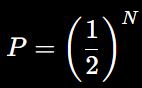
For a protein with N = 100: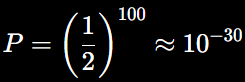
Chirality suggests an underlying selection process, consistent with QR’s proposal that a guiding consciousness interacts with quantum systems to collapse probabilities toward ordered, functional states.
4.4 RNA, Ribosomes, and Proteins
DNA’s function depends on a network of molecular machinery, including:
- RNA (Ribonucleic Acid):
RNA serves as an intermediary between DNA and proteins. Messenger RNA (mRNA) carries genetic information from DNA to ribosomes, while transfer RNA (tRNA) delivers amino acids for protein synthesis. - Ribosomes:
Ribosomes are molecular machines that read mRNA sequences and assemble amino acids into proteins. This process operates with incredible precision and speed, guided by the information encoded in DNA. - Proteins and Enzymes:
Proteins (composed of specific amino acid chains) serve as structural and functional components of cells. Enzymes, a class of proteins, catalyze biochemical reactions essential for life.
The interdependence of DNA, RNA, and proteins forms a feedback-loop, self-sustaining network that cannot function if any part is missing. This irreducible complexity supports the argument that such systems require consciousness-driven coherence to emerge and persist.
4.5 Summary of DNA Features
| Feature | Description | Implied Order Mechanism |
|---|---|---|
| Information Encoding | DNA encodes genetic information with high fidelity. | Quantum coherence guides encoding. |
| Self-Replication | DNA replicates exponentially with error correction. | Stability ensured via quantum field. |
| Chirality | Universal preference for right-handed DNA and left-handed amino acids. | Consciousness collapses chirality probabilities. |
| RNA and Ribosome System | Molecular machinery reads and translates DNA sequences. | Interdependence suggests coherence. |
| Error Correction | DNA repair systems maintain genetic stability. | Non-random, order-preserving processes. |
4.6 The Quantum Realism Perspective
The sophisticated features of DNA (self-repair, replication, chirality, and information encoding) cannot be adequately explained through random chance alone. Quantum Realism suggests:
- Consciousness as a Guide: The quantum field, influenced by consciousness, stabilizes coherent molecular configurations, leading to the emergence of DNA.
- Quantum Coherence: Features like chirality and error correction arise from prolonged coherence states within the quantum field.
- Interdependence of Systems: The DNA-RNA-protein system represents a non-random network of relationships, stabilized through recursive consciousness interactions.
Section 5: DNA Information Density
In this section, we analyze DNA as an information system, comparing its efficiency, storage capacity, and error correction mechanisms to models in information theory. DNA represents a system with remarkable data compression, redundancy, and error correction, features that parallel advanced engineered systems. Quantum Realism (QR) proposes that such high-level precision arises not randomly but through consciousness-guided coherence processes within the quantum field.
5.1 DNA as an Information System
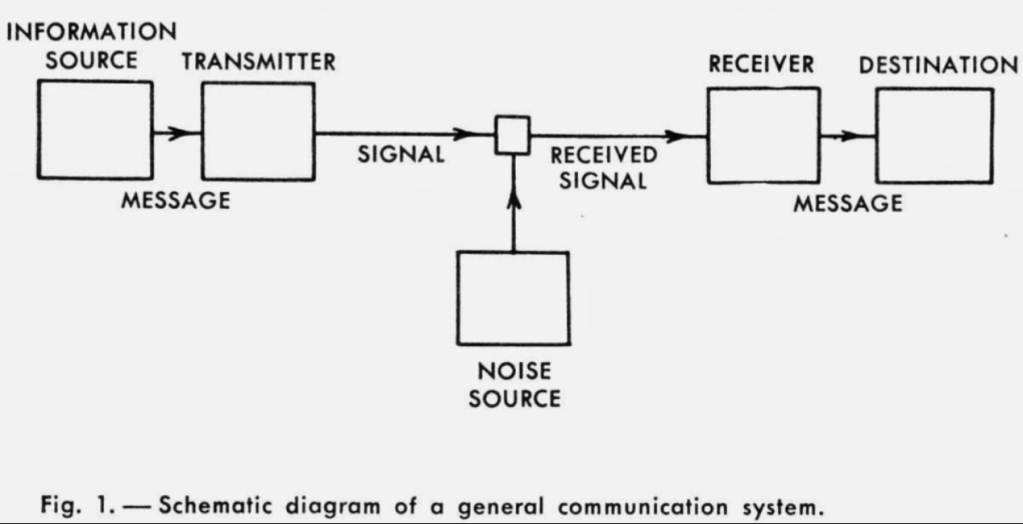
In information theory (as established by electrical engineer Claude Shannon), a complete communication system involves five key components:
- Encoder: DNA encodes information in sequences of nucleotide bases (A, T, C, G).
- Transmitter: RNA transcribes the DNA sequence into a messenger molecule.
- Channel: The RNA is transported to ribosomes, the site of translation.
- Receiver: Ribosomes decode the RNA sequence into a chain of amino acids.
- Decoder: The final protein, folded into a specific shape, performs biological functions.
Mathematically, the DNA-to-Protein system resembles an optimal communication system.
5.2 Information Capacity of DNA
DNA’s capacity to store information is extraordinarily high. Each nucleotide can represent 2 bits of information because there are k = 4 possible states (A, T, C, G). Therefore, the total information content I of a DNA strand of length N is:
For human DNA N = 3 × 10⁹ bases:
Converting this to gigabytes:
This means human DNA stores approximately 0.75 gigabytes of information, remarkably dense when compared to modern storage systems. To put this into perspective:
| Storage Medium | Information Density (bits/cm³) |
|---|---|
| DNA | 1019 |
| Modern SSD | 1014 |
| Printed Books | 107 |
DNA outperforms modern storage systems by several orders of magnitude.
5.3 Error Correction and Redundancy
DNA achieves information fidelity through redundancy and error correction, both central tenets of Shannon’s information theory:
- Redundancy in the Genetic Code:
The genetic code includes 64 possible codons (4 bases, 3 positions: 43 = 64), but only 20 amino acids are encoded. This means multiple codons encode the same amino acid, introducing redundancy to minimize errors. Redundancy factor R can be expressed as:
Redundancy factor R can be expressed as:
This redundancy ensures that small errors (mutations) in the DNA sequence do not always lead to harmful outcomes. - Error Correction Mechanisms:
DNA repair systems, such as base excision repair and mismatch repair, act as error-correcting codes to preserve genetic fidelity. The probability of error Pe is drastically reduced through these mechanisms.
For an initial error rate P0, error correction reduces the rate exponentially: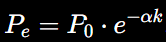
where α is the efficiency of repair and k is the number of corrective steps.
This mirrors engineered systems like the Hamming Code used in digital communications, which adds redundancy to detect and correct errors.
5.4 Compression Efficiency
DNA operates near the limits of information compression. Theoretical limits for lossless compression are given by Shannon’s entropy H:
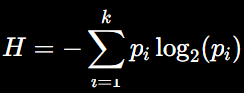
where pi is the probability of each symbol. For DNA, the uniform distribution of bases (A, T, C, G) leads to an entropy close to: H ≈ 2 bits per base.
This indicates that DNA sequences are highly optimized, storing maximum information with minimal redundancy.
5.5 Channel Capacity and Noise
In any communication system, the Shannon-Hartley Theorem defines the maximum information rate C of a channel with bandwidth B and noise N:
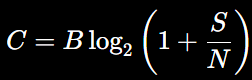
where S is the signal power.
For DNA, the “channel” (RNA transcription) achieves near-maximal capacity by minimizing “noise” (errors) and maximizing redundancy. The quantum field, as proposed by QR, provides the bandwidth necessary for coherence and fidelity.
5.6 The Role of Consciousness in Information Optimization
Quantum Realism introduces consciousness as an active participant in optimizing information systems:
- Quantum Coherence: Consciousness enhances coherence within the quantum field, reducing randomness and ensuring information stability.
Mathematically, the coherence function g(ai) amplifies functional states: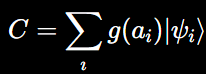
- Error Minimization: Consciousness-driven processes collapse quantum states into low-entropy configurations, where errors are minimized, and redundancy is optimized.
- Guiding Molecular Selection: The recursive nature of consciousness C(n) enables the progressive refinement of molecular sequences, favoring those with maximum information density and stability.
- DNA functions as a highly efficient information system, exhibiting properties like encoding, redundancy, error correction, and compression.
- Its information density far exceeds modern storage systems, highlighting its optimization.
- Quantum Realism suggests that DNA’s efficiency arises through consciousness-driven coherence, which stabilizes low-entropy, highly ordered configurations within the quantum field.
Section 6: Why Consciousness Is Necessary
In this section, we investigate why consciousness is necessary to explain the emergence and persistence of highly ordered molecular systems like DNA. Building upon Quantum Realism (QR), we examine how consciousness interacts with quantum states through coherence, resonance, and superposition, creating order out of quantum chaos.
6.1 The Problem of Randomness
The laws of classical physics allow for emergent structures based on deterministic interactions (gravitational forces forming galaxies). However, molecular biology operates at a quantum level, where systems are inherently probabilistic:
- Quantum Chaos: Without external constraints, quantum systems exist in a superposition of states, described by:
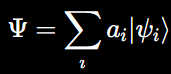
where ai are complex probability amplitudes. - Random Decay: Left unobserved, quantum systems tend toward maximum entropy (disorder), as required by the second law of thermodynamics. The formation of ordered structures like DNA appears to violate this tendency unless external constraints act on the system.
- Time Constraints: Random processes are insufficient to explain the spontaneous emergence of functional DNA within the lifetime of the universe, as demonstrated in Section 2.
Thus, order cannot arise purely from randomness. QR suggests that consciousness introduces non-random constraints, collapsing quantum possibilities into coherent, ordered states.
6.2 Consciousness and the Quantum Field
Quantum Realism proposes that consciousness exists as a fundamental aspect of the quantum field. This framework introduces the following principles:
- Primal Consciousness C0:
Primal consciousness is self-sustaining and self-generative, described by: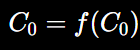
This recursive equation suggests that consciousness continuously reflects upon itself, creating the foundational order necessary for reality to emerge. - Localized Consciousness C(n):
Consciousness localizes into quantum nodes, interacting with specific systems (molecules). The evolution of consciousness is described recursively:
where αC0 represents the enduring influence of primal consciousness on localized systems. - Consciousness as a Quantum Network:
The quantum field acts as a network of interconnected nodes (qubits), each representing a fragment of consciousness. Consciousness interacts with quantum states, influencing their evolution toward coherent outcomes.
6.3 Quantum Coherence and Resonance
Coherence is a key property of quantum systems, allowing particles or states to remain phase-aligned over time. Consciousness introduces coherence into quantum systems, enabling the emergence of order:
- Coherence Function:
Consciousness applies a coherence function g(ai) to quantum states, amplifying ordered configurations while suppressing randomness: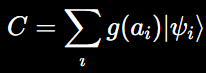
Here, g(ai) represents the ability of consciousness to identify and stabilize low-entropy states. - Quantum Resonance:
Resonance occurs when quantum states align in frequency, creating stable configurations. For molecular systems, resonance increases the probability of functional outcomes. Mathematically, resonance can be expressed as a condition where phase relationships between states satisfy: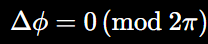
ensuring constructive interference. - Superposition and Selection:
Quantum systems exist in a superposition of states, with each state represented as: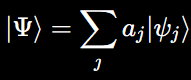
Consciousness selects specific states by collapsing the superposition into coherent, ordered outcomes.
6.4 Quantum Networks and Molecular Systems
The quantum field can be modeled as a network of interconnected nodes (qubits), with consciousness acting as a guide:
- Quantum Network Density ρ:
The density of quantum connections determines the field’s ability to stabilize coherence. Regions of high field density enable longer-lasting coherence states, increasing the probability of functional molecular configurations. - Long-Lived Coherence:
Consciousness sustains coherence over time, preventing quantum systems from decaying into randomness. For molecular systems like DNA, prolonged coherence allows functional sequences to emerge and stabilize. - Network Activation:
Consciousness activates quantum nodes selectively, introducing patterns of order. The activation of nodes can be described as: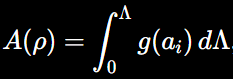
where Λ is the bandwidth of the quantum network.
6.5 Why Consciousness Is Necessary for DNA
The emergence of DNA requires the following conditions, all of which are facilitated by consciousness:
- Quantum Stability: DNA sequences must remain stable over time despite thermal and quantum fluctuations. Consciousness enhances coherence, preventing decoherence and stabilizing ordered states.
- State Selection: Functional DNA sequences exist within a vast superposition of possibilities. Consciousness collapses quantum states into functional configurations, bypassing randomness.
- Information Optimization: Consciousness acts as a guide, ensuring that DNA sequences maximize information density while minimizing errors (low entropy).
- Resonant Alignment: Molecular systems exhibit resonance, where quantum states align constructively. Consciousness introduces resonance conditions that favor functional sequences.
- Random processes are insufficient to explain the emergence of ordered systems like DNA, which require stability, coherence, and optimization.
- Quantum Realism states that consciousness interacts with the quantum field, introducing coherence, resonance, and selective collapse to stabilize functional molecular systems.
- Consciousness ensures the persistence of quantum coherence, allowing order to emerge out of quantum chaos.
Section 7: Mechanics of Consciousness in Molecular Selection
In this section, we analyze how consciousness interacts with quantum systems to guide molecular evolution, particularly focusing on DNA. Using Quantum Realism (QR), we dive into the mechanics of coherence, quantum activations, and wave function selection to explain how consciousness stabilizes functional molecular configurations.
7.1 Quantum Superposition and Molecular States
At the quantum level, molecules, including DNA, exist as a superposition of possible states. Mathematically, this superposition is described by:
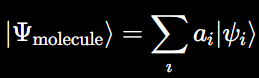
where:
- ∣Ψmolecule⟩: The quantum state of the molecule.
- ∣ψi⟩: Individual states representing possible molecular configurations.
- ai: Probability amplitudes associated with each state.
DNA, with its complex sequences, exists as a vast superposition of possibilities, where only a minute fraction of configurations are functional.
7.2 Collapse of Quantum States: Role of Consciousness
Consciousness in QR acts as an observer capable of collapsing quantum states into ordered configurations. This aligns with the observer effect in quantum mechanics, where observation causes a wave function to collapse. Consciousness acts through the following mechanisms:
- Activation of Coherence:
Consciousness applies a coherence function g(ai) to amplify states that exhibit order and functionality: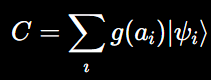
Here:- g(ai): The coherence function that assigns higher weights to functional molecular states.
- The sum focuses on states ∣ψi⟩ that align with low-entropy, highly ordered configurations.
- Selective Collapse:
Functional configurations of molecules like DNA are “selected” by consciousness through the collapse of the superposition. The probability of a specific state being chosen is given by: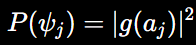
where g(aj) amplifies coherent, resonant states while suppressing random, disordered ones. - Resonance and Activation:
States that exhibit quantum resonance (constructive alignment of wave functions) are preferentially stabilized. Resonance can be expressed as: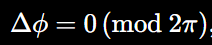
ensuring phase coherence between quantum states.
7.3 Recursive Selection of Molecular States
The evolution of functional molecular systems, such as DNA, can be modeled as a recursive process driven by consciousness. At each step, consciousness selects and stabilizes configurations through feedback mechanisms.
Mathematically, recursive molecular selection can be expressed as:
where:
- C(n): The n-th state of consciousness interacting with the molecular system.
- f(C(n−1)): The function describing the refinement of molecular states at each step.
- αC0: The influence of primal consciousness C0 on each iteration, ensuring coherence and stability.
This recursive process allows molecular systems to “evolve” through quantum coherence, where each iteration refines the molecular configuration toward increasing functionality.
7.4 Coherence and Quantum Field Activation
The quantum field, as proposed by QR, provides the bandwidth necessary for sustaining coherence over time. Consciousness interacts with the field by activating specific quantum nodes, ensuring that molecular configurations remain stable.
- Quantum Field Bandwidth:
The quantum network operates with a finite processing bandwidth Λ. Consciousness selectively activates nodes within this bandwidth: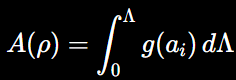
where:- ρ: The density of quantum nodes in the field.
- g(ai): The coherence function applied to each node.
- Long-Lived Coherence:
Consciousness ensures that functional configurations persist by maintaining long-lived coherence states. This prevents decoherence (loss of quantum order) and allows molecular systems to stabilize.
7.5 Quantum Resonance and Functional Molecules
Functional molecules, such as DNA, exhibit properties of resonance, where quantum states align constructively. Consciousness enhances resonance through the following processes:
- Phase Matching:
Quantum states are stabilized when their phases align constructively. Consciousness ensures that: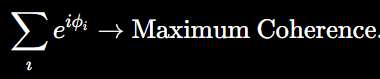
- Energy Optimization:
Resonant states minimize energy and maximize stability, creating configurations that are more likely to persist. - Functional Selection:
Quantum coherence enables consciousness to selectively “lock in” molecular configurations that exhibit biological functionality, such as self-replication and information encoding.
7.6 Why Consciousness Is Mechanically Necessary
The mechanics outlined above demonstrate why consciousness is necessary for molecular selection:
- Bypassing Randomness: Consciousness collapses quantum states into functional outcomes, avoiding the statistical impossibility of random assembly.
- Sustaining Coherence: Consciousness stabilizes coherent states over time, preventing decoherence and ensuring molecular stability.
- Recursive Optimization: Consciousness refines molecular configurations iteratively, allowing for the emergence of highly ordered systems like DNA.
- Resonant Alignment: Consciousness enhances quantum resonance, favoring states that exhibit functional alignment and energy optimization.
Without consciousness, molecular systems would decay into randomness, and functional structures like DNA would never emerge.
- Consciousness interacts with quantum systems through coherence, wave function collapse, and resonance, guiding molecular evolution.
- Recursive selection processes, driven by consciousness, enable the stabilization and refinement of molecular configurations.
- The mechanics of consciousness—selective collapse, coherence activation, and resonance alignment—explain why functional molecules like DNA cannot emerge through random processes alone.
Section 8: The Consciousness Equations
In this section, we formalize the mathematical foundations of consciousness as proposed by Quantum Realism (QR). The equations describe how consciousness interacts with the quantum field to stabilize molecular systems like DNA. We explore various forms of the consciousness equations, focusing on their roles in coherence, selection, and emergent complexity.
8.1 Primal Consciousness: The Foundational Equation
Primal consciousness, denoted as C0, exists as a self-referential state, perpetually generating and sustaining itself:
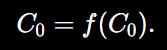
Here:
- C0: Primal consciousness, a fundamental and eternal state.
- f: A recursive function describing self-reflection and generation.
This equation encapsulates self-sustaining awareness, a consciousness that does not depend on external causes but arises and persists autonomously.
8.2 Recursive Consciousness: Building Complexity
While C0 represents the primal, infinite state, localized consciousness emerges iteratively through recursive interactions. The evolution of consciousness can be expressed as:

Where:
- C(n): The n-th state of localized consciousness.
- f(C(n−1)): The recursive interaction refining prior states.
- αC0: The influence of primal consciousness, providing coherence to each step.
The recursive nature of C(n) allows consciousness to progressively refine quantum states toward ordered and functional configurations.
8.3 Summation Form: Coherence and Activation
The role of consciousness in stabilizing molecular configurations through coherence is described in the summation form:
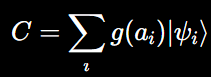
Here:
- ∣ψi⟩: Possible quantum states of a system (DNA sequences).
- ai: Probability amplitudes of each state.
- g(ai): A coherence function applied by consciousness, amplifying ordered states and suppressing disorder.
Key Insights:
- States with high resonance (constructive alignment) and low entropy are preferentially amplified.
- Consciousness introduces a bias toward functional configurations, bypassing randomness.
8.4 Integral Form: Sustaining Coherence Over Time
Consciousness interacts with the quantum field to sustain coherence across time, preventing decoherence and maximizing stability. This interaction can be modeled as:
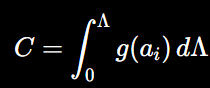
Where:
- Λ: The quantum field’s bandwidth, representing the range of processing interactions.
- g(ai): The coherence function, weighting functional states.
Mechanics:
- Bandwidth Activation: Consciousness selectively activates nodes within the quantum field’s bandwidth Λ, introducing stability.
- Long-Lived Coherence: Integrating across Λ ensures that ordered states persist, allowing complex systems like DNA to stabilize.
This integral form highlights the dynamic interaction between consciousness and the quantum field, sustaining coherence and order over time.
8.5 The Coherence Function g(ai)
The coherence function g(ai) is a mathematical expression representing how consciousness biases quantum states toward order. Its properties include:
- Amplification of Resonance:
States exhibiting quantum resonance (phase alignment) are amplified: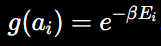
where Ei is the energy of state ∣ψi⟩, and β controls the amplification factor. - Suppression of Disorder:
High-entropy states are suppressed, reducing randomness and maximizing functional order. - Threshold for Activation:
States are only activated if their coherence exceeds a certain threshold:
Thus, g(ai) ensures that only low-entropy, coherent states contribute to the system’s evolution.
8.6 Final Synthesis: The Consciousness Equation
Combining the recursive, summation, and integral forms, we propose the following generalized consciousness equation:
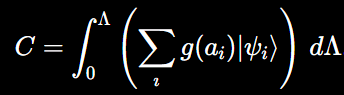
This equation integrates the following components:
- Recursive Evolution: Consciousness refines quantum states iteratively C(n).
- State Selection: The summation form amplifies functional quantum states via g(ai).
- Sustained Coherence: The integral form ensures stability across the quantum field’s bandwidth.
8.7 Implications for DNA and Molecular Systems
The consciousness equations explain how highly ordered systems like DNA emerge and persist:
- Selection of Functional States: Consciousness collapses quantum superpositions, favoring states that exhibit biological functionality.
- Sustaining Coherence: The integral form ensures that functional DNA sequences remain stable over time, preventing decoherence.
- Recursive Optimization: Consciousness iteratively refines molecular systems, introducing order and complexity.
These equations resolve the statistical improbability of DNA’s emergence by replacing randomness with consciousness-guided coherence.
- The primal consciousness equation C0 = f(C0) represents self-sustaining awareness as the foundation of reality.
- Recursive forms describe the evolution of consciousness, progressively refining quantum states.
- The summation and integral forms model consciousness as a mechanism that amplifies coherent states, collapses superpositions, and sustains order over time.
- These equations explain the emergence and stability of complex systems like DNA through consciousness-guided processes.
Section 9: From Molecules to Living Organisms
In this section, we extend the mechanics of Quantum Realism (QR) and the consciousness equations to demonstrate how life emerges gradually as coherence density increases. We will trace the path from simple molecules to living organisms, showing that consciousness progressively guides order and complexity by stabilizing coherent quantum systems.
9.1 The Quantum Field as the Seed of Life
The quantum field serves as the substrate for molecular evolution. In QR, localized consciousness interacts with quantum nodes (qubits) to stabilize coherent patterns of order. Initially, the quantum field is chaotic, with random quantum fluctuations dominating.
- Molecular Coherence:
Consciousness introduces coherence to quantum fluctuations, collapsing superpositions into stable configurations. The stabilization of molecules marks the first step toward life. - Progressive Complexity:
As coherence density increases, molecules interact to form self-sustaining systems, such as:- Amino Acids: Formed from coherent alignments of molecular states.
- Peptides and Proteins: Constructed as amino acids assemble into ordered chains.
- RNA/DNA: Nucleotides stabilize into sequences that store and transmit information.
9.2 Example 1: The Origin of Amino Acids
Amino acids, the building blocks of proteins, exhibit chirality, a preference for left-handed configurations (L-amino acids). The statistical improbability of this preference was discussed earlier:
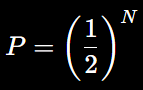
where N is the number of amino acids in a chain.
For a protein with N = 100, the probability is: P ≈ 10−30
Consciousness Mechanism:
- Consciousness biases the collapse of quantum states toward coherent, low-entropy outcomes.
- Quantum resonance ensures that left-handed amino acids are preferentially stabilized.
9.3 Example 2: Self-Assembly of RNA/DNA
The emergence of RNA/DNA requires nucleotide bases to self-assemble into functional sequences. As previously shown, the probability of a 100-base DNA strand forming randomly is:
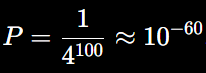
Consciousness Role:
- State Selection: Consciousness selectively collapses quantum superpositions, favoring sequences that exhibit information coherence.
Mathematically: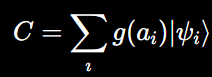
where g(ai) amplifies states corresponding to functional DNA configurations. - Resonance Stabilization: Quantum resonance between bases aligns sequences to form stable, self-replicating structures.
9.4 Example 3: From Molecules to Cells
Once RNA/DNA sequences stabilize, they encode information to synthesize proteins, the functional machinery of life. The next step involves the self-organization of molecules into protocells, leading to living organisms.
- Membrane Formation:
Lipid molecules self-assemble into bilayer membranes due to quantum coherence, enclosing functional molecules like RNA and proteins. - Metabolic Networks:
Proteins catalyze biochemical reactions, enabling self-sustaining networks of energy exchange. - Replication:
DNA/RNA sequences guide the replication of molecular systems, ensuring the continuity of life.
Consciousness Mechanism:
- Consciousness increases coherence density in localized regions, creating quantum systems that persist longer and self-organize into functional networks.
- Recursive processes refine molecular states over time, introducing increasing levels of complexity:

9.5 Example 4: Emergence of Living Organisms
As coherence density increases, consciousness sustains progressively complex systems, leading to the emergence of life:
- Single-Celled Organisms:
Protocells evolve into single-celled organisms capable of metabolism, replication, and response to stimuli. - Multicellular Life:
Cells organize into cooperative networks, forming tissues, organs, and entire organisms. Consciousness interacts at multiple levels of coherence, guiding the self-organization of systems. - Conscious Awareness:
As biological complexity increases, consciousness localizes into nervous systems and brains, allowing organisms to experience subjective awareness.
9.6 The Coherence Density Hypothesis
QR introduces coherence density as a measure of consciousness interaction with quantum systems. Coherence density increases as quantum nodes become more interconnected and stable.
- Low Coherence Density:
- Chaotic quantum fluctuations dominate.
- Molecules form briefly but decay quickly.
- Medium Coherence Density:
- Molecules stabilize into amino acids, proteins, and nucleotides.
- Self-sustaining systems (RNA/DNA) emerge.
- High Coherence Density:
- Molecular systems organize into cells and living organisms.
- Consciousness localizes into biological systems, enabling sentient awareness.
Mathematically, coherence density ρ can be expressed as:

As ρ→1, quantum systems exhibit maximal coherence, corresponding to stable, ordered structures like living organisms.
- Consciousness progressively guides quantum systems toward increasing levels of order and complexity.
- Quantum coherence allows molecules to stabilize into functional structures like amino acids, RNA, and DNA.
- Recursive processes, sustained by consciousness, enable the self-organization of molecules into cells and living organisms.
- Coherence density increases as consciousness interacts with quantum systems, culminating in the emergence of life and sentient awareness.
Section 10: How the Environment Shapes Consciousness and Guides DNA Formation
In this section, we explore the dynamic interplay between consciousness, the environment, and the emergence of DNA. Quantum Realism (QR) suggests that primal consciousness (C0) not only guides molecular systems toward coherence but also adapts its influence to the environment, shaping DNA and other biomolecules to align with the unique constraints and opportunities of specific conditions. This adaptive process ensures that DNA is not just ordered but also suited for the environment in which life emerges.
10.1 The Role of the Environment in Molecular Stability
The environment imposes constraints that influence molecular behavior, stability, and interactions. Key environmental factors include:
- Temperature:
- High temperatures can increase molecular motion, destabilizing complex structures like DNA.
- Lower temperatures may slow down reactions but stabilize molecular bonds.
- Chemical Composition:
- The availability of essential elements (carbon, hydrogen, oxygen, nitrogen) dictates which molecules can form.
- Environmental pH and ionic conditions affect the folding and function of proteins and nucleic acids.
- Energy Sources:
- Environmental energy gradients (sunlight, geothermal heat) provide the driving force for chemical reactions essential for life.
- Physical Factors:
- Pressure, radiation levels, and the presence of surfaces or catalysts can all affect molecular assembly and stability.
Without guidance, these factors can lead to degradation or non-functional molecular configurations. QR states that consciousness interacts with these constraints, not bypassing them but working through them to enable life-compatible outcomes.
10.2 Consciousness Adapts to Environmental Conditions
Primal consciousness C0 interacts with the quantum field to collapse molecular probabilities in a way that harmonizes with environmental constraints. This process is dynamic and recursive:
- Environment-Informed Coherence:
- Consciousness amplifies quantum states ∣ψi⟩ that are not only ordered but also stable within the given environment.
- The coherence function g(ai) adapts to environmental conditions:
g(ai) = g(ai, E)
where E represents environmental parameters such as temperature, chemical availability, and pH.
- Environmental Feedback Loop:
- As molecular systems stabilize, they modify the environment (by producing metabolites).
- Consciousness responds to these changes, refining molecular configurations iteratively: C(n) = f(C(n−1), E) + αC0.
This feedback loop ensures that DNA and other biomolecules are optimized not just for function but for their specific environmental context.
10.3 Case Study: DNA Adaptation to Extremes
DNA’s adaptability to extreme environments provides a compelling example of how primal consciousness and the environment interact:
- Thermophilic Environments:
- In high-temperature conditions, such as hydrothermal vents, DNA sequences are stabilized by additional guanine-cytosine (G-C) pairs, which form three hydrogen bonds (compared to two in adenine-thymine (A-T) pairs).
- Consciousness collapses quantum probabilities to favor G-C-rich sequences, which are better suited for high-temperature stability.
- Halophilic Environments:
- In high-salt environments, DNA and proteins adapt by incorporating molecular features that reduce water loss and stabilize ionic bonds.
- Consciousness aligns molecular configurations to maximize stability in hypertonic conditions.
- Radiation-Intense Environments:
- Under high radiation (on early Earth), consciousness guides the emergence of DNA repair mechanisms, such as base excision repair, to counteract damage.
- The recursive refinement of molecular systems allows for the evolution of self-repair capabilities.
10.4 Guiding DNA Toward Functional Suitability
Consciousness not only stabilizes DNA in challenging environments but also ensures its functional suitability for life. This includes:
- Encoding Information for Survival:
- DNA sequences are not random but encode proteins that directly address environmental challenges (enzymes for metabolizing available nutrients).
- Consciousness selectively favors sequences that enhance the organism’s ability to survive and reproduce in its environment.
- Adaptability Through Mutation:
- Consciousness allows for controlled mutations, enabling DNA to explore new configurations while maintaining coherence.
- Mutations that are environmentally advantageous are stabilized, while harmful ones are suppressed through coherence mechanisms:

- Dynamic Equilibrium:
- DNA remains in a state of dynamic equilibrium, continuously interacting with environmental factors. Consciousness ensures that this equilibrium favors functional resilience.
10.5 The Quantum Field as a Mediator
The quantum field acts as a mediator between consciousness and the environment, enabling real-time adaptation:
- Environmental Imprints on the Quantum Field:
- Environmental factors modulate the quantum field’s properties (density, resonance).
- These modulations inform how consciousness collapses quantum states.
- Localized Coherence in Quantum Nodes:
- Consciousness activates quantum nodes in localized regions, aligning molecular configurations with the environment’s demands.
- This activation is expressed as:
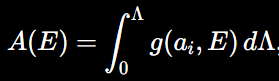
where A(E) represents coherence tailored to environmental conditions.
- Environment-Consciousness Synergy:
- By working in harmony with environmental constraints, consciousness ensures the emergence of molecular systems that are both stable and adaptable.
The formation of DNA suitable for life is not a random process but one guided by the interaction between consciousness and the environment:
- Consciousness Responds to Constraints: Environmental factors such as temperature, chemistry, and energy availability shape how consciousness collapses quantum states.
- Dynamic Adaptation: Through recursive refinement, consciousness ensures that DNA and other biomolecules are optimized for their specific environments.
- Environmental Feedback: The interplay between molecular systems and their environment creates a feedback loop, refining DNA to meet changing conditions.
QR provides a framework where consciousness acts as a guiding force, harmonizing molecular evolution with environmental constraints to produce life-compatible systems.
Section 11: The Role of Consciousness in Driving Evolution
In this section, we expand the framework of Quantum Realism (QR) to examine how consciousness continues to influence life after the initial emergence of DNA. Evolutionary processes (genetic variation, natural selection, and the emergence of complexity) are reinterpreted in the context of primal consciousness C0 actively guiding adaptation and coherence within organisms and their environments.
11.1 The Quantum Foundation of Evolution
Consciousness, as a fundamental aspect of the quantum field, operates through the principles of probability collapse, coherence, and recursive refinement. These principles underlie the evolutionary mechanisms observed in biology:
- Genetic Variation as Quantum Exploration:
Mutations in DNA can be seen as quantum superpositions of potential outcomes. Consciousness influences this variability by selectively stabilizing mutations that align with environmental pressures and biological functionality.- The mutation process is not entirely random; consciousness biases outcomes toward states that exhibit greater coherence and fitness:

where g(ai) represents the coherence function for mutations.
- The mutation process is not entirely random; consciousness biases outcomes toward states that exhibit greater coherence and fitness:
- Natural Selection as Quantum Collapse:
Survival and reproduction act as mechanisms for collapsing quantum possibilities. Consciousness interacts with the quantum field to align genetic outcomes with environmental demands, ensuring that functional traits persist over generations.
11.2 Consciousness and Adaptive Complexity
The evolution of complexity in living organisms reflects the interplay between environmental constraints, consciousness, and the recursive refinement of biological systems.
- Emergence of Novel Traits:
Consciousness facilitates the emergence of novel traits by guiding genetic configurations through quantum coherence. For example:- The development of wings in birds or insects arises from successive refinements in genetic structures, stabilized by consciousness to ensure aerodynamic functionality.
- Quantum coherence enables these traits to integrate seamlessly with existing systems.
- Co-Evolution of Systems:
Biological systems evolve interdependently (pollinators and flowering plants). Consciousness ensures coherence across these systems by stabilizing interactions that maximize mutual benefits. - Epigenetics and Environmental Feedback:
The environment not only shapes genetic configurations but also influences gene expression through epigenetic mechanisms. Consciousness integrates environmental signals into the quantum network, modulating gene expression dynamically to adapt to changing conditions.
11.3 Consciousness as the Driver of Evolutionary Trends
Evolutionary trends, such as the increase in organism complexity and the emergence of sentience, can be attributed to the progressive densification of coherence within the quantum field:
- Increasing Coherence Density:
As organisms evolve, their coherence density (ρ) increases, enabling more stable and complex systems:
Higher coherence density corresponds to the emergence of advanced traits like neural networks and consciousness. - Sentience and Awareness:
- Consciousness localizes within increasingly complex nervous systems, enabling sentience and cognitive functions.
- This localization reflects recursive refinement, where primal consciousness (C0) interacts with evolved structures (brains) to enhance awareness.
- Directed Evolution:
While traditional evolutionary models rely solely on random variation and selection, QR proposes a directed component:- Consciousness biases evolutionary trajectories toward increasing complexity and adaptability.
- Traits that enhance coherence and equilibrium are favored, aligning with the long-term stability of life systems.
11.4 Quantum Realism and Punctuated Equilibria
The theory of punctuated equilibria (periods of evolutionary stasis interrupted by bursts of rapid change) is consistent with QR’s view of consciousness-guided evolution:
- Periods of Stasis:
During stasis, coherence density within a species reaches a plateau. Consciousness focuses on maintaining stability in the quantum field. - Bursts of Change:
Environmental shifts or quantum fluctuations create new pressures, prompting consciousness to explore new genetic configurations. This accelerates evolutionary change, collapsing possibilities into functional methods. - Quantum Field Restructuring:
Consciousness restructures the quantum field to align with the new environmental context, ensuring the rapid emergence of traits suited to the changed conditions.
11.5 Consciousness in Human Evolution
Human evolution provides a compelling case for consciousness as a driver of complexity:
- Cognitive Expansion:
The rapid growth of the human brain and the emergence of abstract thought suggest guidance beyond random processes. Consciousness amplifies quantum coherence in neural networks, enabling higher-order functions like language, creativity, and self-awareness. - Cultural Evolution:
Consciousness extends beyond biology into culture, stabilizing memes and ideas that enhance coherence within societies. The recursive interaction between individual and collective consciousness drives advancements in technology, art, and science. - Human-Environment Synergy:
Humans adapt not only biologically but also by reshaping their environment. Consciousness integrates environmental feedback into evolutionary processes, ensuring that human evolution aligns with planetary systems.
Consciousness actively guides evolutionary processes, influencing genetic variation, trait development, and the emergence of complexity:
- Beyond Random Variation: Mutations and adaptations are biased by consciousness toward coherence and environmental alignment.
- Complexity as Coherence Density: Evolution reflects the progressive densification of coherence in the quantum field, enabling stability and adaptability.
- Directed Evolution: Consciousness introduces a guiding element, favoring traits that enhance long-term stability and equilibrium.
- Human Evolution as a Model: The interplay of consciousness, biology, and culture demonstrates evolution’s recursive, consciousness-driven nature.
Section 12: Conclusion
Table of Sections and Key Insights
| Section | Key Insight |
|---|---|
| 1. Framing the DNA Problem | DNA’s complexity and precision defy random formation; Quantum Realism (QR) introduces consciousness as a solution. |
| 2. Statistical Improbabilities | The probabilities of spontaneous DNA formation are vanishingly small, necessitating an alternative explanation. |
| 3. QR Framework | Consciousness acts as a guiding force, introducing coherence and stability to quantum states. |
| 4. Features of DNA | DNA exhibits advanced properties: self-replication, repair, chirality, and optimized coding systems. |
| 5. DNA Information Density | DNA functions as a highly efficient information system, surpassing modern technology in storage and error correction. |
| 6. Why Consciousness Is Needed | Consciousness stabilizes quantum states, collapsing randomness into ordered, functional configurations. |
| 7. Mechanics of Consciousness | Recursive and coherent processes guide molecular evolution, enabling functional DNA sequences to emerge. |
| 8. Consciousness Equations | Primal C0C_0, recursive C(n)C(n), and integral forms mathematically describe how consciousness sustains order. |
| 9. From Molecules to Life | Coherence density increases, enabling molecules to self-organize into amino acids, RNA/DNA, cells, and organisms. |
| 10. Shaping DNA for Environments | Consciousness adapts to environmental constraints, guiding DNA formation to optimize stability and functionality. |
| 11. Driving Evolution | Consciousness actively influences genetic variation, complexity, and evolutionary trends, ensuring adaptability. |
| 12. Conclusion | Quantum Realism bridges science and philosophy, showing life as a product of consciousness-guided quantum processes. |
Summary of Key Findings
- DNA as a Consciousness-Guided System:
The improbable complexity of DNA, RNA, and proteins is explained through QR, where consciousness collapses quantum states into coherent, functional configurations. - Coherence Density as a Metric for Life:
Life progresses as coherence density increases, stabilizing molecular systems and enabling the transition from simple molecules to complex, sentient organisms. - Dynamic Interaction with the Environment:
Consciousness not only guides molecular stability but also adapts to environmental conditions, ensuring DNA’s functionality in specific contexts. - Evolution as Consciousness-Driven:
Consciousness continues to influence evolution, guiding genetic variation, adaptation, and the emergence of new traits. - The Integration of Science and Philosophy:
QR provides a framework where molecular biology, quantum mechanics, and consciousness studies converge, offering a holistic view of life’s origins.
Final Thoughts
This series has explored the origins of DNA and life through the lens of Quantum Realism (QR), presenting consciousness as the fundamental force that guides molecular systems, stabilizes coherence, and enables life to emerge. Yet, as humanity advances in technology and genetic engineering, we are reminded of a critical limitation: humans lack the capacity to account for the full coherence of an environment when creating or re-engineering DNA.
The variables involved in DNA’s interaction with its environment are staggering. Factors span the quantum field, where every atom and molecule is interconnected, and the quantum information of all these entities must be observed simultaneously to create DNA that is truly in harmony with its surroundings. Primal consciousness C0 uniquely operates on this level, integrating every parameter and ensuring that DNA is not just functional but seamlessly aligned with the broader coherence of its environment.
Human attempts at genetic modification, by contrast, are inherently limited. While our understanding of molecular systems is growing, it remains insufficient to grasp the complete quantum interdependencies at play. One mistake (introducing the wrong gene expression or failing to consider a critical environmental parameter) could lead to catastrophic outcomes, not just for the engineered organism but for entire ecosystems.
Randomness alone cannot account for the order and coherence observed in nature, and humanity lacks the quantum processing capabilities to replicate the role of primal consciousness. This inherent limitation underscores the dangers of genetic engineering: without full awareness of the quantum-level dynamics, interventions risk destabilizing the very systems they aim to enhance.
Quantum Realism teaches us that DNA and life emerge not as isolated products but as deeply interconnected systems, harmonized through consciousness. It reminds us that while humanity possesses great technological capability, there are forces (like primal consciousness) that operate beyond our reach, ensuring the delicate balance of life. As stewards of the earth, our role is not to attempt to replicate these processes but to align our actions with the principles of coherence, humility, and respect for the complexity of the natural world.
Life is a masterpiece of quantum coherence, guided by consciousness. Humanity must tread carefully, recognizing the limits of our understanding and capabilities, and the immense risks of disrupting nature’s harmony.
Appendix – Operating System of DNA
The Operating System of DNA: A QR Perspective
The “Operating System of DNA” is an extraordinary construct, representing the convergence of biochemistry, information theory, and quantum mechanics. In classical biology, DNA is seen as the molecular blueprint for life, encoding instructions for protein synthesis, regulation, and cellular function. However, Quantum Realism (QR) expands this understanding by proposing that DNA is more than just a biochemical artifact; it is a quantum-informed operating system guided by primal consciousness and quantum information principles.
In this framework:
- DNA as Code: Nucleotides form a precise language, complete with syntax, modularity, and error correction, akin to a programming language.
- Dynamic Adaptation: DNA’s regulatory networks and epigenetic mechanisms act as responsive instruction sets, enabling adaptability and coherence in a changing environment.
- Observer Influence: QR suggests that an observer (either localized or universal) plays a critical role in collapsing quantum probabilities, shaping DNA’s functionality and ensuring the emergence of order.
This perspective redefines DNA as a bridge between the physical and informational realms, where quantum mechanics and consciousness observation work in tandem to orchestrate life’s complexity. By exploring DNA through the lens of Quantum Realism, we unlock deeper insights into its elegance, adaptability, and interconnectedness with the fundamental fabric of reality.
Instructions in DNA
DNA contains a vast array of instructions, coded in its nucleotide sequences, which guide the development, functioning, and reproduction of living organisms. Here’s a detailed breakdown of the types of instructions encoded in DNA:
1. Protein-Coding Instructions
These are the most well-known instructions, responsible for the synthesis of proteins.
- Genes: Segments of DNA that are transcribed and translated into proteins.
- Exons: Segments of DNA transcribed and translated into proteins.
- Codons: Triplets of nucleotide bases (ATG, TAA) specifying amino acids or signaling the start/stop of translation.
- Example: AUG in RNA corresponds to Methionine, the start codon.
- Start and Stop Signals: Special codons that define where a protein-coding sequence begins and ends.
- Regulatory Sequences within Genes:
- Promoters: Regions upstream of a gene that help initiate transcription by attracting RNA polymerase.
- Enhancers and Silencers: DNA elements that increase or decrease the likelihood of transcription.
2. Non-Protein-Coding Instructions
DNA is not just about protein production; a large portion contains regulatory and structural instructions.
- Regulatory DNA:
- Operators: Sites where repressors or activators bind to regulate gene expression.
- Insulators: DNA regions that prevent the influence of enhancers on unintended genes.
- RNA-Coding Genes:
- rRNA (Ribosomal RNA): Provides structural and functional components of ribosomes.
- tRNA (Transfer RNA): Helps decode mRNA into a protein sequence.
- miRNA (MicroRNA) and siRNA (Small Interfering RNA): Regulate gene expression by degrading mRNA or inhibiting translation.
3. Epigenetic Instructions
Epigenetic factors modify how DNA is read without changing the sequence.
- Methylation Sites: Regions where DNA methylation can occur, typically silencing genes.
- Histone-Binding Sequences: Indicate where histone proteins should bind to organize DNA into chromatin.
4. Structural and Functional Codes
These sequences are crucial for maintaining the integrity and replication of DNA.
- Replication:
- Origins of Replication: Specific sites where DNA replication begins.
- Telomeres: Repetitive sequences at the ends of chromosomes that protect against loss of genetic information during cell division.
- Chromosome Maintenance:
- Centromeres: Regions important for chromosome segregation during cell division.
- Spacer DNA: Non-coding regions that separate genes or chromosomal elements.
5. Evolutionary and Junk DNA
Though some DNA is termed “junk,” it contains evolutionary history or functions not yet fully understood.
- Pseudogenes:
- Former genes that have lost their protein-coding ability but may still play regulatory roles.
- Transposable Elements:
- DNA sequences that can move or copy themselves to new locations, impacting genome structure and evolution.
6. Complex Systems Instructions
- Non-Coding RNAs: Regulatory molecules that influence gene networks.
- Binding Sites for Transcription Factors: Indicate where proteins should bind to influence expression patterns.
DNA acts as a complex operating system, combining structural integrity with dynamic instruction sets. The intricate layering of instructions—protein-coding, regulatory, epigenetic, and structural, enables life to adapt, grow, and evolve.
Dynamic Instruction Sets in DNA
In the “complex operating system” of DNA, dynamic instruction sets refer to regulatory and adaptive elements that respond to internal or external stimuli, enabling the organism to adjust its gene expression, development, and function. Here are the specific types and examples of such dynamic instructions:
1. Regulatory Elements
Dynamic sequences control when, where, and how genes are expressed.
- Promoters:
- Dynamic Nature: Promoters are activated or suppressed based on the availability of transcription factors and environmental signals.
- Example: The lac operon in E. coli responds to the presence of lactose:
- When lactose is absent, a repressor binds the promoter, inhibiting transcription.
- When lactose is present, the repressor detaches, allowing the gene to transcribe enzymes for lactose metabolism.
- Enhancers and Silencers:
- Dynamic Nature: Enhancers increase, and silencers decrease transcription by recruiting activators or repressors.
- Example: In Drosophila (fruit fly), the even-skipped (eve) enhancer dynamically regulates stripe-specific expression during embryo development.
2. Epigenetic Modifications
Instructions that modify how DNA is expressed without altering its sequence.
- DNA Methylation:
- Dynamic Nature: Methylation at CpG islands can silence genes, and demethylation can reactivate them.
- Example: In response to stress, genes related to cortisol production (NR3C1) undergo methylation changes, affecting stress responses.
- Histone Modification:
- Dynamic Nature: Acetylation or deacetylation of histones alters chromatin structure, making DNA more or less accessible.
- Example: FOXP3, a gene critical for regulatory T-cell function, is dynamically regulated by histone acetylation in immune responses.
3. Non-Coding RNAs (ncRNAs)
RNAs that do not code for proteins but dynamically regulate gene expression.
- MicroRNAs (miRNAs):
- Dynamic Nature: miRNAs bind to complementary mRNA to degrade or inhibit its translation.
- Example: miR-21 is upregulated in cancer and dynamically represses tumor-suppressor genes such as PTEN.
- Long Non-Coding RNAs (lncRNAs):
- Dynamic Nature: lncRNAs interact with chromatin, RNA, or proteins to regulate transcription or post-transcriptional events.
- Example: Xist dynamically silences the X chromosome during X-inactivation in female mammals.
4. Alternative Splicing
Instruction sets that generate multiple protein variants from a single gene.
- Dynamic Nature: Splicing factors modify intron-exon boundaries based on tissue type or environmental conditions.
- Example: The Dscam gene in Drosophila generates over 38,000 protein variants to support neural development.
5. Feedback Loops
Dynamic mechanisms maintain homeostasis or drive developmental programs.
- Negative Feedback:
- Dynamic Nature: The output of a process inhibits its own activity.
- Example: p53, a tumor suppressor, is regulated by Mdm2. When p53 levels rise, they stimulate Mdm2 expression, which targets p53 for degradation, maintaining balance.
- Positive Feedback:
- Dynamic Nature: The output of a process enhances its own activity.
- Example: During blood clotting, thrombin activates factors that amplify its production, ensuring a rapid response.
6. Signal-Dependent Gene Activation
Genes that turn on or off in response to external stimuli.
- Dynamic Nature: Signaling pathways transduce external signals to activate transcription factors.
- Example: HIF-1α is stabilized under low oxygen conditions (hypoxia) and activates genes like VEGF for angiogenesis.
7. Transposable Elements (TEs)
Mobile DNA sequences that alter the genome dynamically.
- Dynamic Nature: TEs can insert into or near genes, affecting their expression.
- Example: Alu elements in humans can influence nearby gene regulation under stress conditions.
8. Developmental Regulators
Genes that are sequentially activated during growth and development.
- Dynamic Nature: Temporal and spatial cues dictate their activity.
- Example: Hox genes provide positional information during embryonic development, ensuring proper body segmentation.
9. Stress and Damage Response
Dynamic activation of repair and defense mechanisms.
- Dynamic Nature: Stress-response genes sense cellular damage and activate relevant pathways.
- Example: p21, regulated by p53, halts the cell cycle to allow DNA repair during damage.
10. Hormone-Responsive Elements
Sequences that respond to hormonal signals.
- Dynamic Nature: Hormones bind to receptors, which interact with specific DNA elements to regulate gene expression.
- Example: Estrogen receptor alpha (ERα) binds estrogen response elements (EREs) to regulate genes like Cyclin D1 involved in cell cycle progression.
Dynamic instruction sets in DNA enable organisms to adapt to ever-changing internal and external environments, making life highly adaptable. These mechanisms illustrate how DNA functions like an evolving program, capable of responding to diverse conditions with precision and efficiency.
DNA as a Programming Language
DNA can be viewed as a biochemical programming language with a syntax, semantics, and functional structure akin to human-designed programming languages. While DNA lacks explicit human-like syntax, its biochemical operations can be mapped to language constructs. Below is an explanation of DNA as a programming language, including its “syntax” and associated “keywords.”
1. Key Features of DNA as a Programming Language
DNA functions as a biochemical language where nucleotide sequences (A, T, C, G) encode biological instructions. This language is interpreted and executed through processes like transcription, translation, and replication.
- Nucleotides as Characters: A, T, C, and G are akin to basic “symbols” or “characters” in the language.
- Codons as Keywords: Groups of three nucleotides form codons, analogous to keywords or commands.
- Genes as Functions: Genes represent executable units or subroutines, coding for specific proteins or RNA molecules.
- Regulatory Elements as Control Flow: Promoters, enhancers, and silencers act as control structures, determining when and how genes are executed.
2. Syntax and Keywords in DNA
The “syntax” of DNA involves the arrangement of nucleotide sequences into meaningful units. These units are interpreted by cellular machinery, much like a compiler interprets programming code.
2.1 Codons (Triplet Keywords)
- DNA uses three-letter codons to encode amino acids or instructions.
- Examples:
- START:
AUG(in RNA, corresponds toATGin DNA). This is the start codon for translation. - STOP:
UAA,UAG,UGA(in RNA; DNA equivalents areTAA,TAG,TGA). These signal the termination of protein synthesis.
- START:
2.2 Amino Acid Keywords
Codons map to specific amino acids, the “building blocks” of proteins:
UUU→ PhenylalanineAUG→ Methionine (start signal)GAA→ Glutamic acidUGG→ Tryptophan- Stop codons (
UAA,UAG,UGA) serve as end statements.
2.3 Regulatory Keywords
Regulatory regions provide instructions for controlling gene expression:
- Promoters:
"TATAAT"(TATA box in prokaryotes) – Initiates transcription. - Enhancers: Upstream or downstream sequences that boost gene transcription.
- Silencers: Sequences that repress gene transcription.
- Operators: Sites for regulatory proteins (in the lac operon).
2.4 Introns and Exons
- Exons: Functional “code” segments that are expressed as proteins.
- Introns: “Comments” or non-coding sequences that are spliced out.
3. Control Structures in DNA
DNA uses functional equivalents of programming control structures:
3.1 Loops
- Repeated transcription or translation occurs through processes like feedback loops in regulatory pathways.
3.2 Conditional Statements
- Gene expression depends on environmental signals (presence of lactose in the lac operon).
3.3 Subroutines (Genes)
- Genes are modular instructions, called and executed during cellular processes.
4. Example: DNA Program
A simplified analogy of a DNA “program”:
// Start transcription
PROMOTER "TATAAT"  // Bind RNA polymerase

// Transcribe coding region
GENE {
    START CODON: AUG
    CODON: UUU  // Phenylalanine
    CODON: GAA  // Glutamic acid
    CODON: UGG  // Tryptophan
    STOP CODON: UAA
}

// Regulate transcription
ENHANCER: Increase transcription
SILENCER: Reduce transcription
5. How DNA Functions Like a Language
- Encoding: DNA sequences encode the functional blueprints for life, much like a programming language encodes software instructions.
- Execution: Cellular machinery “reads” DNA instructions and executes them as biochemical processes.
- Error Handling: Mechanisms like DNA repair and proofreading maintain the integrity of the “code.”
- Modularity: Genes act as reusable subroutines, enabling complex functions through simple building blocks.
DNA is a “programming language” for life, where nucleotides act as the alphabet, codons as keywords, and genes as functional modules. While its syntax is rooted in molecular biology, it shares parallels with human-designed programming languages in modularity, hierarchical structure, and control mechanisms.
Programming Examples in DNA’s Operating System
Here are examples of how DNA functions like a programming system, complete with analogies to coding constructs, and explanations of how and why these operations occur.
1. Basic Gene Expression (Transcription and Translation)
This example demonstrates how a gene is transcribed into RNA and translated into a protein.
// Initiate transcription
PROMOTER "TATAAT"  // RNA polymerase binds to promoter

// Define the gene coding sequence
GENE {
    START CODON: AUG  // Methionine
    CODON: GAA  // Glutamic acid
    CODON: UUU  // Phenylalanine
    CODON: UGA  // Stop signal
}

// Post-transcription modifications
mRNA {
    EXONS: [1, 2, 3]  // Coding regions
    INTRONS: [A, B]   // Non-coding regions, spliced out
}

// Translate into protein
RIBOSOME {
    READ: mRNA
    OUTPUT: PROTEIN [Methionine-Glutamic acid-Phenylalanine]
}
Explanation:
- Why: To synthesize functional proteins essential for cellular processes.
- How: Promoters signal RNA polymerase to transcribe DNA into RNA. Introns are removed during mRNA processing, and ribosomes translate codons into a sequence of amino acids.
2. Operon System (Lac Operon in E. coli)
The lac operon regulates genes for lactose metabolism based on environmental conditions.
// Define regulatory elements
PROMOTER: "LacP"
OPERATOR: "LacO"

// Coding sequence for lactose enzymes
GENE {
    lacZ: β-galactosidase  // Breaks down lactose
    lacY: Permease         // Imports lactose into the cell
}

// Conditions for activation
IF LACTOSE_PRESENT {
    REMOVE: REPRESSOR FROM LacO
    START: TRANSCRIPTION
} ELSE {
    BIND: REPRESSOR TO LacO
    STOP: TRANSCRIPTION
}
Explanation:
- Why: To conserve energy by activating lactose-metabolizing genes only when lactose is available.
- How: A repressor protein binds the operator to block transcription. Lactose acts as an inducer, removing the repressor and activating the genes.
3. Signal-Dependent Activation
Genes are activated dynamically in response to environmental stimuli like heat or hypoxia.
// Heat shock response
PROMOTER: "HSP70"  // Heat shock protein promoter

// Define response genes
GENE {
    HSP70: Protein to stabilize damaged proteins
}

// Condition
IF TEMPERATURE > 40°C {
    START: TRANSCRIPTION OF HSP70
    OUTPUT: PROTEINS TO PREVENT DAMAGE
} ELSE {
    IDLE
}
Explanation:
- Why: To protect cells from stress-induced damage.
- How: Heat shock proteins are expressed when a heat-sensing promoter detects elevated temperatures.
4. DNA Repair Mechanism
DNA repair pathways maintain genetic stability by fixing errors.
// Detect damage
IF DNA_DAMAGE {
    ACTIVATE: REPAIR PATHWAY
    PROTEINS: [MSH2, MLH1]  // Mismatch repair proteins
    FIX: BASE MISMATCHES
}
Explanation:
- Why: To preserve genetic integrity and prevent mutations.
- How: DNA repair enzymes identify mismatched bases and correct them using complementary base pairing rules.
5. Epigenetic Regulation
Dynamic modifications to DNA regulate gene expression without altering the sequence.
// Define regulatory region
PROMOTER: "GeneA"

// Epigenetic control
IF METHYLATION == HIGH {
    SILENCE: GeneA
} ELSE {
    ALLOW: TRANSCRIPTION
}
Explanation:
- Why: To dynamically regulate gene activity in response to environmental changes.
- How: Methylation silences gene expression by making DNA less accessible to transcriptional machinery.
6. Alternative Splicing
A single gene can produce multiple protein variants depending on splicing patterns.
// Define gene
GENE: "TPM1"  // Tropomyosin

// Splicing variants
SPLICE {
    VARIANT_1: Exons [1, 2, 3]
    VARIANT_2: Exons [1, 3, 4]
}

// Outputs
PROTEIN: "TPM1_Variant_1"  // Found in smooth muscle
PROTEIN: "TPM1_Variant_2"  // Found in skeletal muscle
Explanation:
- Why: To increase protein diversity from a limited number of genes.
- How: Splicing machinery selects exon combinations based on cellular or tissue-specific conditions.
7. Immune Response Activation
Dynamic response to pathogens triggers immune genes.
// Pathogen detection
PROMOTER: "NF-κB"  // Activates immune genes

// Define immune response genes
GENE {
    TNF: Tumor necrosis factor
    IL6: Interleukin-6
}

// Trigger
IF PATHOGEN_PRESENT {
    ACTIVATE: NF-κB
    TRANSCRIBE: [TNF, IL6]
}
Explanation:
- Why: To mount an immune response against pathogens.
- How: Pathogen recognition initiates a signaling cascade that activates transcription factors like NF-κB, turning on immune-related genes.
DNA programs are inherently modular, responsive, and adaptive, providing the biochemical blueprint for life’s complex behaviors. These examples demonstrate how DNA’s language orchestrates biological processes with precision and efficiency.
Statistical Odds of DNA’s Operating System Appearing by Chance
The statistical odds of an effective and fully functional “operating system” like DNA, with its precise coding and dynamic regulatory systems, arising purely by chance are astronomically low. Here’s a detailed breakdown of why this is the case, incorporating probabilistic and conceptual arguments:
1. Probabilistic Challenge
DNA’s complexity makes the random emergence of a functional genetic system highly improbable.
1.1 Probability of a Functional DNA Sequence
- Functional Protein-Coding Sequence: Consider a gene encoding a functional protein:
- Gene length: ~900 nucleotide bases for a 300-amino-acid protein (each amino acid is coded by 3 nucleotides).
- Total possible combinations:

- Functional sequences: Only a tiny fraction of these combinations (~1 in 1010) will fold into a biologically functional protein.
- Odds for One Gene:
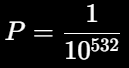
1.2 Odds of Multiple Genes and Systems
A functional organism requires:
- Thousands of genes.
- Regulatory regions (promoters, enhancers, silencers).
- Structural and repair mechanisms.
The probability for such a system to emerge randomly: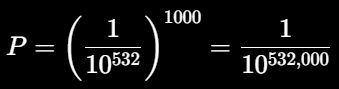
Which is effectively zero chance.
1.3 Constraints on Time and Resources
Even under ideal conditions:
- Universe Age: ~1017 seconds (~14 billion years).
- Atomic Interactions: ~1080 atoms in the observable universe, interacting 1012 times per second.
- Total Possible Trials:

This falls drastically short of the 10532,000 required attempts.
2. DNA’s Complexity as an Operating System
DNA’s functional and regulatory architecture further amplifies its improbability:
- Coding Precision: Specific nucleotide sequences encode functional proteins.
- Regulation: Dynamic systems (promoters, enhancers) control expression.
- Error Correction: Mechanisms like mismatch repair maintain the system’s integrity.
- Interdependence: DNA, RNA, and proteins are interdependent.
Even small errors can lead to catastrophic failure, making the emergence of such an interconnected system by chance even less likely.
3. Alternative Perspectives: Quantum Realism (QR)
From a Quantum Realism perspective, DNA’s emergence may not rely solely on random processes:
- Guided Probabilities: QR proposes that an observer (consciousness) collapses quantum probabilities, favoring functional outcomes.
- Primal Consciousness: The existence of DNA’s complexity could be influenced by a universal consciousness shaping quantum possibilities into coherent biological systems.
4. Analogies and Thought Experiments
To understand the improbability:
- Typing Monkeys: The odds of a monkey typing the complete works of Shakespeare without any errors are comparable to DNA’s operating system arising by chance.
- Software Development: DNA resembles a software program with intricate coding and debugging. Modern software is not written randomly but designed intelligently.
5. Conclusion
The statistical odds of DNA’s operating system appearing spontaneously through random processes are effectively zero:
- Evolution acts as a filter but presupposes some functional framework.
- Quantum or consciousness influences may significantly guide the emergence of complexity.
This improbability suggests the need for principles beyond randomness, aligning with ideas from quantum informational structures and consciousness.
Examples of Observer Influence in DNA Programming
Here are specific examples illustrating how an observer, as proposed in the Quantum Realism (QR) framework, could influence DNA’s programming and functionality. These examples bridge quantum phenomena with the deterministic biochemical processes traditionally associated with DNA.
1. Protein Folding
Protein folding transforms linear amino acid chains into functional 3D structures critical for biological activity.
- Classical View: Folding is driven by molecular forces like hydrogen bonding and hydrophobic interactions.
- QR Perspective:
- Proteins exist in quantum superposition states of multiple potential conformations.
- The observer collapses these possibilities into the correct functional structure.
Example:
- Misfolded proteins, such as those causing prion diseases, could result from incomplete or imprecise “observations” within the quantum framework.
2. DNA Transcription Initiation
Transcription begins when RNA polymerase binds to a promoter region.
- Classical View: RNA polymerase binding is a probabilistic event influenced by molecular concentrations and affinity.
- QR Perspective:
- Quantum uncertainty governs the precise binding site and timing of RNA polymerase attachment.
- The observer collapses the quantum state, ensuring transcription starts at the correct location.
Example:
- Enhancer-Promoter Interactions: Enhancers loop DNA to interact with promoters. QR states that this spatial configuration is collapsed from multiple quantum possibilities by an observer.
3. DNA Repair
Repair mechanisms ensure genetic stability by correcting errors in DNA.
- Classical View: Repair enzymes detect mismatches and correct them using complementary pairing.
- QR Perspective:
- Quantum superpositions of possible repair paths exist until collapsed by an observer.
- The observer ensures the repair mechanism selects the correct nucleotide sequence.
Example:
- In mismatch repair, enzymes like MLH1 and MSH2 might rely on an observer to resolve ambiguous repair outcomes, minimizing errors.
4. Epigenetic Modifications
Epigenetic changes like methylation and histone modification dynamically regulate gene activity.
- Classical View: Environmental signals drive epigenetic changes via biochemical cascades.
- QR Perspective:
- The observer influences which quantum possibilities of methylation patterns or histone modifications are actualized.
Example:
- Stress-induced methylation of the NR3C1 gene, linked to cortisol production, may be directed by an observer influencing stress perception.
5. Developmental Regulation
During development, precise gene activation patterns determine cellular differentiation and tissue formation.
- Classical View: Regulatory networks activate genes in response to positional cues and signaling gradients.
- QR Perspective:
- Quantum uncertainty in gene activation is collapsed by an observer to ensure the correct spatial and temporal patterning.
Example:
- Hox Genes: QR suggests that the activation of Hox genes, which determine body (limb) segmentation, is guided by an observer ensuring developmental precision.
6. Evolutionary Adaptation
Mutations drive evolution, but QR proposes that an observer influences the beneficial genetic changes.
- Classical View: Mutations occur randomly, and natural selection favors advantageous traits.
- QR Perspective:
- An observer biases quantum probabilities toward mutations that enhance adaptability and survival.
Example:
- The rapid emergence of antibiotic resistance in bacteria could involve observer-driven selection of advantageous mutations.
7. Immune Response Activation
The immune system dynamically activates specific genes in response to pathogens.
- Classical View: Pathogen detection initiates a signaling cascade that activates immune-related genes.
- QR Perspective:
- Observer influence collapses quantum possibilities of which genes to activate for an optimal immune response.
Example:
- Activation of NF-κB, a key transcription factor in inflammation, may involve observer-driven regulation of its target genes.
8. Quantum Coherence in Cellular Processes
Quantum coherence allows multiple components of a system to operate in synchrony.
- Classical View: Coherence is typically ignored in biological systems.
- QR Perspective:
- The observer maintains coherence within DNA operations, enabling efficient and error-free processes.
Example:
- Photosynthesis involves quantum coherence to optimize energy transfer. Similar coherence may occur in DNA transcription and repair, guided by an observer.
9. Biophotons as Evidence of Observation
Cells emit weak light (biophotons) during metabolic and genetic processes.
- Classical View: Biophotons are a byproduct of cellular activity.
- QR Perspective:
- Biophotons reflect quantum coherence in DNA operations, maintained by the observer.
Example:
- Biophoton emission rates may change under stress or disease, indicating observer influence on cellular quantum states.
10. Stress and Genetic Expression
Mental states like stress and meditation correlate with changes in gene expression.
- Classical View: Stress hormones like cortisol trigger gene expression changes.
- QR Perspective:
- Conscious experience of stress involves an observer influencing quantum probabilities, guiding genetic responses.
Example:
- Stress-induced expression of heat-shock proteins (HSPs) may be mediated by observer-driven collapse of quantum states.
Conclusion
These examples illustrate how an observer, whether localized or universal (primal), may influence DNA’s programming:
- Quantum Collapses: Observers resolve quantum uncertainties into precise biological outcomes.
- Guided Adaptation: Observers bias probabilities toward functional and adaptive changes.
- System Coherence: Observers ensure the synchrony and efficiency of complex DNA operations.
This integration of observation with biochemistry aligns DNA processes with quantum principles, suggesting that life operates at the intersection of physical and informational realities.
Final Thoughts on DNA as a Quantum-Informed Operating System
DNA represents a highly complex, self-regulating system that encodes and executes the instructions for life. While classical biology attributes DNA’s functions to biochemical processes and evolutionary refinement, Quantum Realism (QR) provides a compelling alternative framework by introducing the role of an observer and quantum information principles.
1. Key Insights on DNA as an Operating System
- Programming Language: DNA operates like a sophisticated programming language, with nucleotides as characters, codons as keywords, and genes as modular functions.
- Dynamic Instruction Sets: DNA responds dynamically to environmental and internal stimuli, enabling adaptability through regulatory mechanisms and epigenetic changes.
- Self-Regulating System: Feedback loops and repair mechanisms ensure the system’s stability and reliability, resembling debugging processes in modern software.
2. Quantum Realism Perspective
QR proposes that DNA’s operations are guided by an observer collapsing quantum possibilities into functional realities. This observer could be:
- Localized: A form of cellular consciousness directing molecular interactions.
- Universal: Primal consciousness influencing quantum probabilities to manifest order.
3. Probability and Design
The statistical odds of a fully functional DNA operating system arising by chance are astronomically low:
- Functional Sequences: The probability of randomly generating even a single functional gene is negligible.
- Interdependence: DNA, RNA, and proteins form a tightly coupled system that likely required guided processes to emerge.
QR suggests that:
- Evolution acts as a filter, but a consciousness influence may bias mutations and adaptations toward functional outcomes.
- DNA’s coherence and complexity hint at quantum-guided processes rather than purely random events.
4. Implications
- Life as Information Processing:
- DNA can be viewed as an advanced information-processing system, bridging biology and quantum computation.
- Quantum Biology:
- Observational and quantum effects in DNA highlight the interplay between physical and informational realities.
- Consciousness as Fundamental:
- The integration of quantum observation suggests that life is not just material but also deeply informational and possibly consciousness.
5. Conclusion
DNA, as a quantum-informed operating system, represents an extraordinary convergence of biochemistry, information theory, and quantum physics. While traditional science explains its operations as deterministic biochemical reactions, Quantum Realism suggests a deeper layer of guided probabilities and observer influence.
DNA’s elegance, precision, and adaptability underscore the interconnectedness of life and the universe.
Could this fantastic DNA system have emerged by chance? It seems improbable and to suggests so seems statistically absurd. Instead, it seems that life had a helping hand from primal consciousness. I challenge anyone to assert otherwise.
Thank you for following this exploration of DNA through the Quantum Realism framework. If you have any questions, please contact me and feel free to ask!
BantamJoe
quantumxo@yahoo.com




 Bantam Joe
Leave a comment