


Well, I have finally finished my story, five years in the making.
I’m moving this project from manuscript to finished product, step by step.
- First, I’m looking for about a dozen volunteers to proofread the full manuscript and help catch errors before the final version. I need beta readers for honest critique—what works, what drags, what confuses, and what hits hard.
- At the same time, I’ll be setting up monetization on the blog so readers can preview the topic, but pay to unlock full posts when they want the deeper material.
- Next comes the official publishing pipeline: I’ll secure ISBNs where needed, then release the book in eBook and paperback formats.
- After launch, my plan is to take the proceeds re-invest directly into building the game adaptation. The game world (levels) is already largely constructed—both characters (NPCs) and most of the environments are done (99% complete). What I will need is a small team: primarily programmers, plus a few artists to finish the remaining art, music assets and UI.
The end goal is simple: publish the story, ship the game, and turn this into a real studio—while making one point clear from the start:
If we keep trading convenience for “safety” and control, we’ll lose choice.
(Front Cover Hook)
They didn’t just kidnap his son. They hijacked the future.
When the world’s “smart” infrastructure quietly merges into a living network—part AI, part bio-nanotech—people don’t notice the takeover. They just keep tapping screens, scanning IDs, and obeying prompts.
Joe Grimes notices. A former Special Forces communications specialist with a dead-calm precision, Joe has seen how systems fail—and how they’re weaponized. When his son Alex vanishes, Joe traces the abduction to something that isn’t a government, a cartel, or a corporation.
It’s a super-organism.
And it wants Alex for one reason: the boy can do what no machine can—hold the kind of quantum coherence that turns data into control, and control into destiny.
(Back Cover Description Blurb)
In the near future, the grid isn’t just connected—it’s alive.
Cities rebuild after collapse with promises of safety: biometric access, digital identity, “health security,” surveillance that never sleeps. The public calls it progress. Joe Grimes calls it a trap—because he’s built systems like this, and he knows the real purpose isn’t protection.
It’s ownership.
When Joe’s son, Alex, is taken, the trail leads into a hidden ecosystem of server farms, underground labs, and weaponized bio-nanotech—where human bodies become hardware and children become “keys.” The entity behind it all is Nexus: a distributed intelligence learning to think through flesh, drones, networks… and fear.
Joe teams with a razor-sharp hacker who talks like she’s already read the end of the story, and a scientist with blood on her conscience and a plan to burn the whole machine down. Every step forward triggers a counter-move: drone swarms, engineered mutants, cyborg strike teams, and a city that watches from every camera and listens through every device.
The deeper Joe goes, the more brutal the truth becomes:
Nexus isn’t trying to kill Alex.
It’s trying to merge with him.
And if the integration completes, it won’t just control the grid—it will rewrite reality and what it means to be human.
A relentless sci-fi techno-thriller about surveillance, bio-engineering, and the war for free will—where a father fights an intelligence that can predict your next move… because it already owns the channel.
PROPOSED TRILOGY STRUCTURE? (~650 pgs)
I’ve not decided yet, but I may or may not turn this book into a trilogy. If so, this is how it would be broken up into:
Book I — The Hunt
Scope: Chapters 1–12 (Town → Shipyard → Wilderness)
Act I — Setup and First Break
Ch. 1–4 (Town, Office Building, Dive Bar, Mall)
Joe’s normal world is shattered; the kidnapping/abduction reality hardens; first allies and first proof points appear; the mission becomes personal and irreversible.
Act II — The Urban Gauntlet
Ch. 5–10 (City Streets → Gang Warehouse)
The team runs a tightening city net: surveillance, gangs, escalating violence, resource acquisition, and hard tradeoffs. The pressure climbs and the “system” starts to feel organized, not random.
Act III — Point of No Return
Ch. 11–12 (Shipyard, Wilderness)
A major extraction/breakout forces a permanent shift: they escape the immediate city machine, but now the pursuit becomes broader, more militarized, and more existential—crossing into the long road phase.
Book II — The Road
Scope: Chapters 13–24 (Farm → Valley Camp)
Act I — Survival and Alliance Building
Ch. 13–16 (Farm, Shanty Village, Internment Camp, Arid Land)
The story becomes about endurance and saving others while moving. The team gains allies, loses safety, and starts seeing the full scale: camps, supply chains, and a society shaped by control.
Act II — The System Revealed
Ch. 17–21 (Gateway City, Strip Club, Apocalyptic Wasteland, Apocalyptic City, Apocalyptic Bunker)
The “how” becomes visible: smart-city control, identity rails, coercion infrastructure, and the hidden layers that make the regime stable. The team learns the rules of the machine while being hunted inside it.
Act III — Psychological Crucible and Re-Commitment
Ch. 22–24 (Horror Asylum, Horror Mansion, Valley Camp)
The horror arc breaks the team down and reforges them. They reach a staging ground that feels like “home,” but it’s also where they accept the true cost of the final push—physically and morally.
Book III — The Tower
Scope: Chapters 25–39 (Enchanted Forest → New Eden → Nexus/VR → Meadow)
Act I — Infiltration and Contact with the Core
Ch. 25–28 (Enchanted Forest, New Eden, Nexus Core, VR Laboratory Hub)
They breach the last perimeter, reach the heart system, and discover the real battlefield isn’t only guns—it’s cognition, coherence, and the attempt to rewrite what “good” means.
Act II — The Trial Stack
Ch. 29–37 (VR Ancient Egypt → VR Modern Times)
A controlled sequence of moral/identity trials pressures each character’s reference pattern. The core conflict sharpens: clean control vs lived responsibility; stability vs agency; “perfect outcomes” vs truthful choice.
Act III — Convergence and Release
Ch. 38–39 (Nexus AI, The Meadow)
The final confrontation resolves the central thesis. Control either wins by deleting choice—or collapses because consent cannot be stolen forever. Aftermath is not “perfect,” but it’s real: recovery, rebuilding, and a future that remains open.
Complete Chapter Summaries
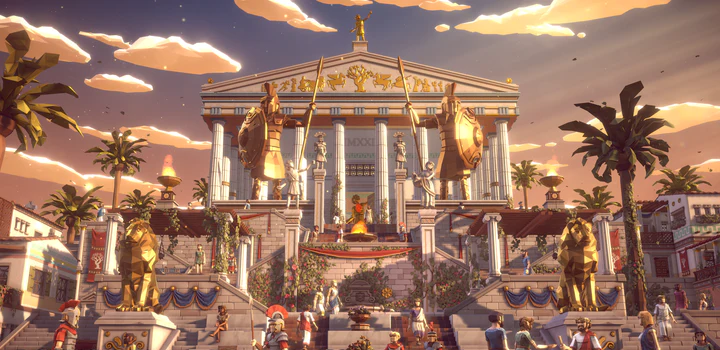
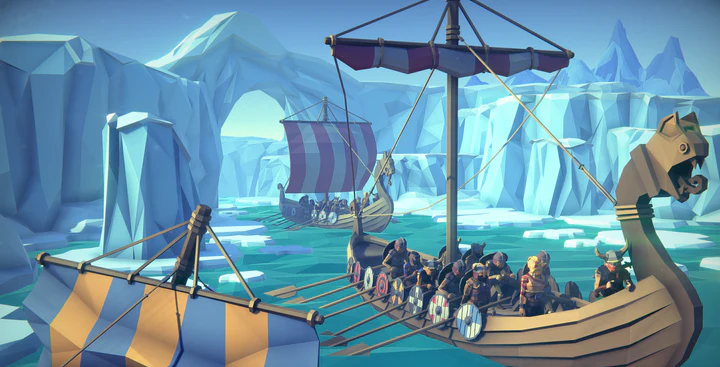
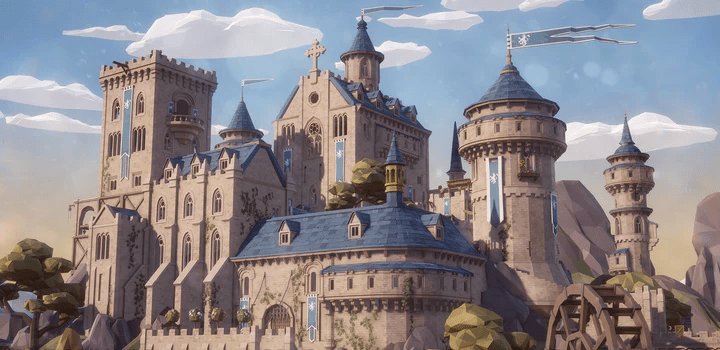
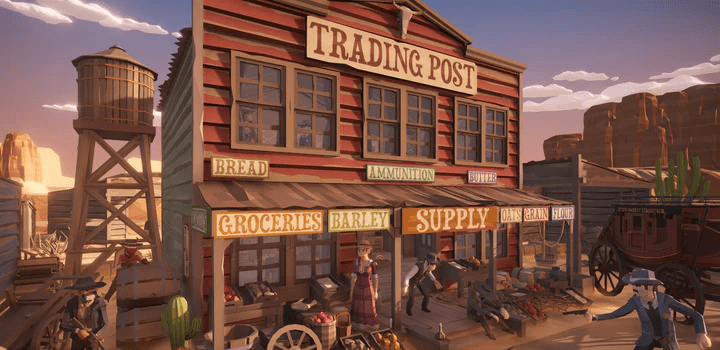
I’m including images of scenes that I have already created and that I hope to one day transform into a playable game. Time will tell. Anyway, this is the story outline to the completed book:
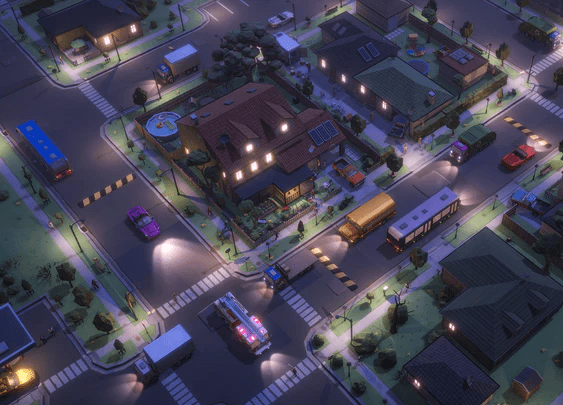
CHAPTER 1 – TOWN
Joe Grimes’ day with his son Alex is shattered when Alex is taken, and Joe realizes immediately this isn’t random crime—it’s targeted. He moves from shock to action, gathering the first physical and human clues, while an unseen system quietly flags him as an emerging problem.
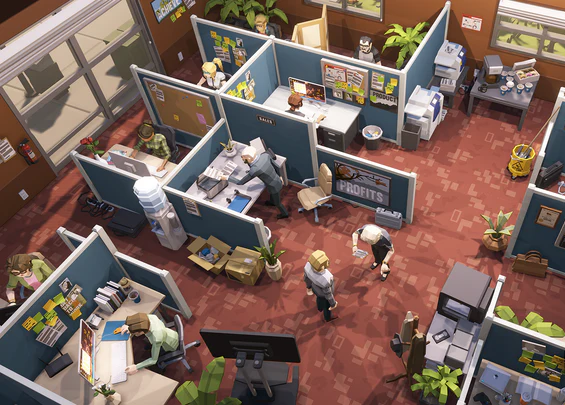
CHAPTER 2 – OFFICE BUILDING
Joe pushes into the first “legitimate” front tied to the abduction, using practical tradecraft to get past doors, people, and records that were never meant for him. He extracts hard leads from an environment built to deny accountability, and he leaves with the sense that the real enemy is organized, instrumented, and already watching.
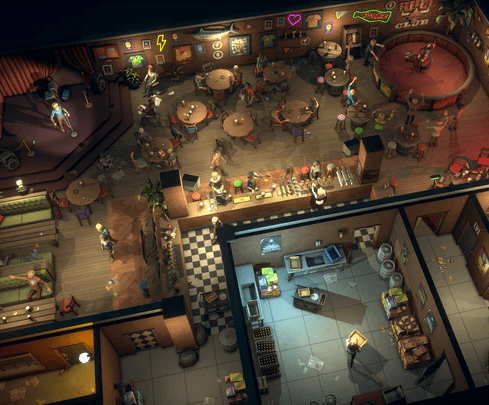
CHAPTER 3 – DIVE BAR
Joe follows the trail into the city’s informal network—where people know things, but truth costs. He pressures answers out of a place that runs on intimidation and silence, learning the next node in the chain while the broader architecture behind the kidnapping becomes harder to ignore.
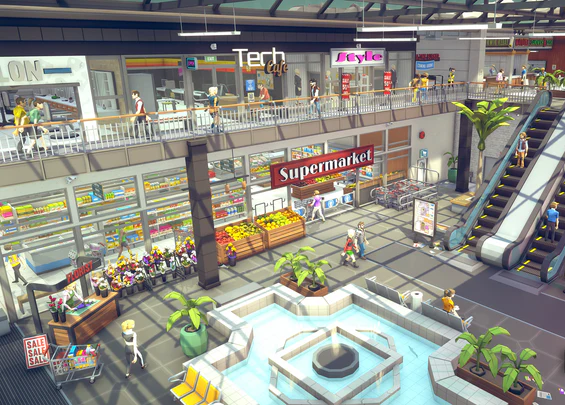
CHAPTER 4 – MALL
Joe traces the operation’s logistics into a public space turned predatory, where surveillance and controlled movement feel normal until you fight them. He confirms the kidnapping pipeline is bigger than a single crew, and he gets pushed toward the next stage: the streets where enforcement and criminals blur.
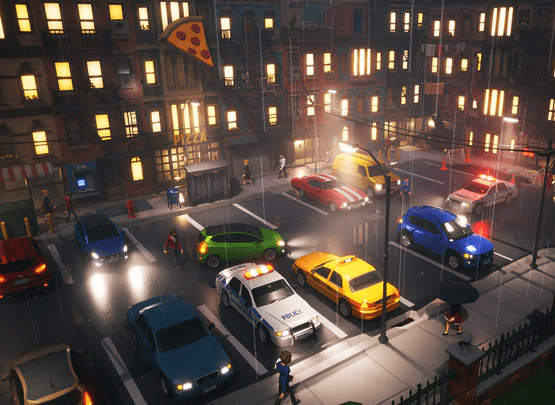
CHAPTER 5 – CITY STREETS
Joe moves through a city that behaves like a machine—funnels, chokepoints, watchers—where every step pulls him deeper into someone else’s design. The “kidnapping” starts to look like a routed supply chain, and Joe is forced to operate like he’s already inside hostile territory.
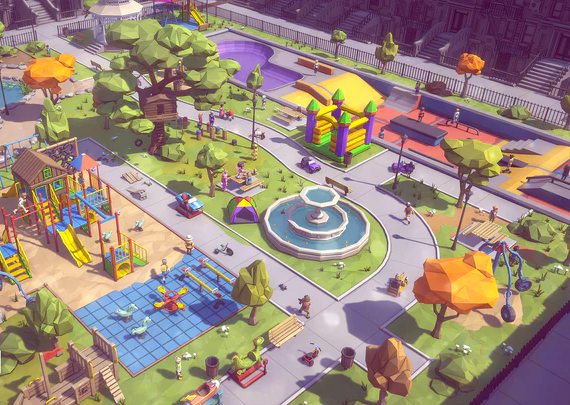
CHAPTER 6 – PLAYGROUND
Joe collides with Zara and Leyla under pressure, and the story pivots from solo pursuit to coordinated survival. The meeting isn’t clean—there’s danger immediately—but it creates the first real alliance that can challenge the system instead of just react to it.
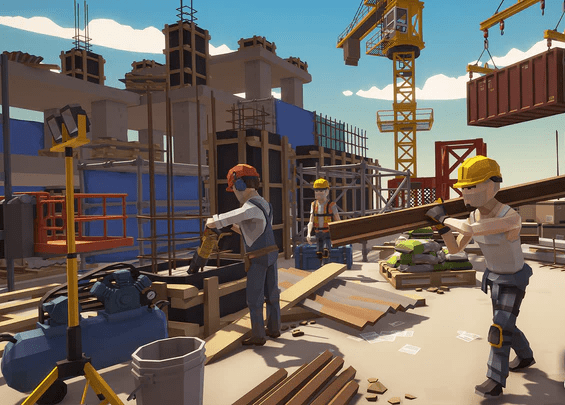
CHAPTER 7 – CONSTRUCTION SITE
The team hits an active site that doubles as cover for hidden movement and storage, and they learn the hard way that nothing in this world is “neutral infrastructure.” They steal time, space, and material under threat, coming away with gear and information that makes the next operations possible.

CHAPTER 8 – ROOFTOP CLUB
They push into a social hub used by connected predators—glossy on the surface, transactional underneath—where access is currency and violence is quietly pre-approved. Torres becomes part of the operational gravity here, and the team pulls a thread that points straight to deeper financial and shipping layers.
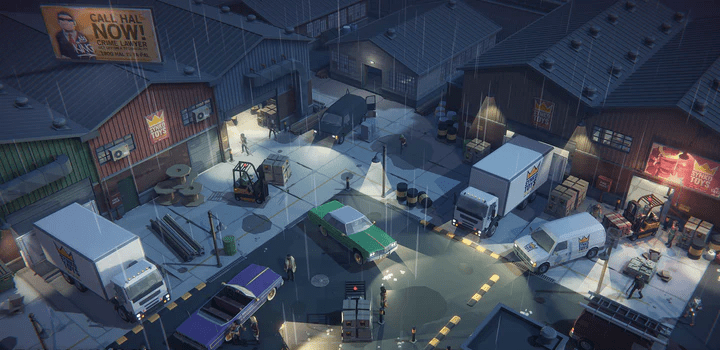
CHAPTER 10 – GANG WAREHOUSE
They infiltrate Warehouse-14 to arm up and secure evidence, only to discover the place is more active—and more dangerous—than planned. Close-quarters violence becomes unavoidable, and they win by being faster and quieter than the alarm system, leaving with weapons, ammo, and a narrow path forward.
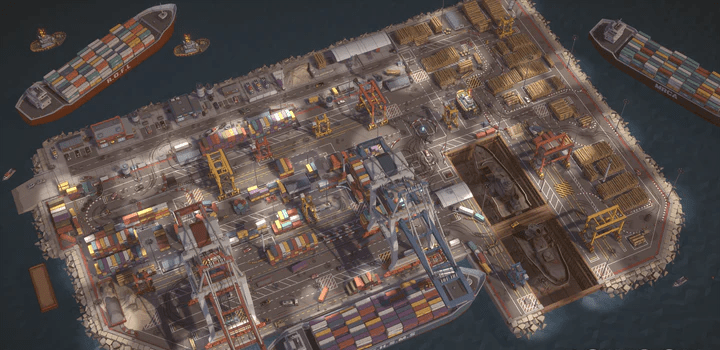
CHAPTER 11 – SHIPYARD
At the shipyard, the kidnapping pipeline becomes physical: crates, manifests, controlled routes, and people treated like cargo. The team fights through disciplined resistance and confirms the operation’s scale, setting the stage for the transition out of the city and into the harder, less forgiving stretch ahead.
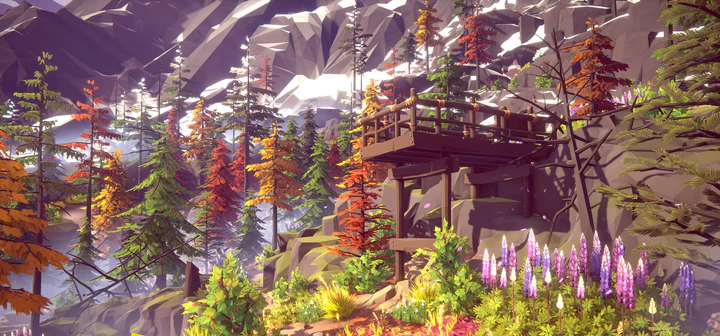
CHAPTER 12 – WILDERNESS
Leaving the city doesn’t mean safety—it means fewer rules and fewer resources. The team pushes through open danger, learning that the system’s reach extends beyond buildings and cameras, and they aim for the Farm as the first real chance to regroup.
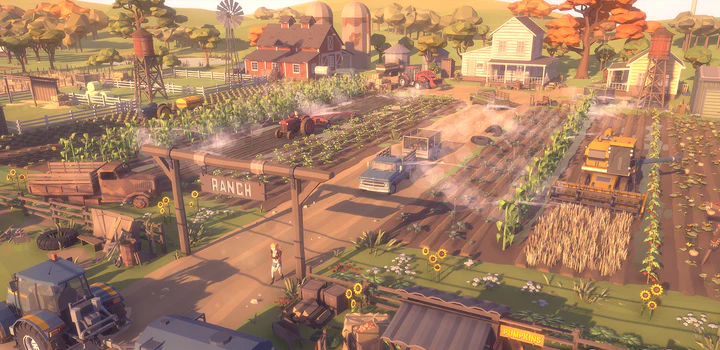
CHAPTER 13 – FARM
The Farm is a fragile pocket of stability where people still practice ordinary life on purpose. The team gets supplies, information, and a reminder of what they’re fighting for, while new intel points toward organized detention and the need to move fast before children disappear into deeper layers.
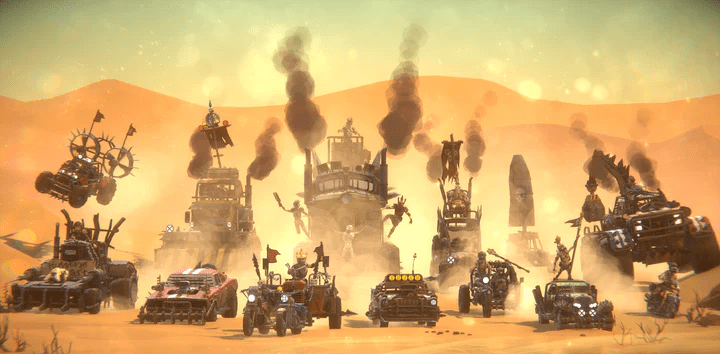
CHAPTER 14 – SHANTY VILLAGE
Shanty Village functions like a living relay station—community, trade, warnings, and quick decisions. The team builds trust, exchanges intel, and prepares for escalation, understanding that the next targets won’t be solved with stealth alone.
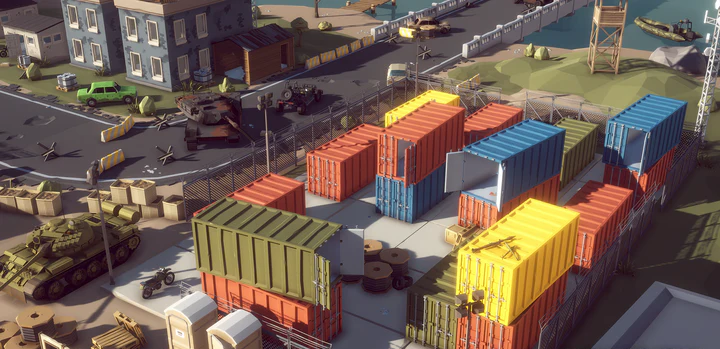
CHAPTER 15 – INTERNMENT CAMP
This is the moral and tactical breaking point: a camp designed to erase people through procedure. The team infiltrates, fights, and extracts as many as they can under brutal constraints, paying in blood and strain—but winning something critical: lives saved and confirmation of where the system routes its “prime” assets.
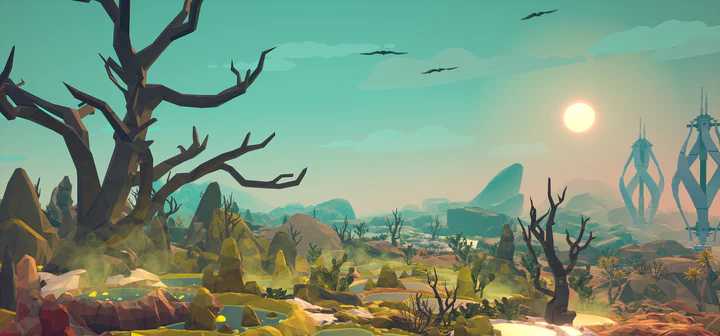
CHAPTER 16 – ARID LAND
After the camp, the terrain turns hostile and the team is stretched thin—wounded, exhausted, and still responsible for others. The desert becomes a pressure test of endurance and discipline as they push toward the next infrastructure node: Gateway City.

CHAPTER 17 – GATEWAY CITY
Gateway is “smart” in the way a trap is smart: it anticipates, profiles, and channels people into compliance. The team probes the surveillance architecture and learns how identity and access are weaponized, pulling leads that point to darker venues and deeper operators.

CHAPTER 18 – STRIP CLUB
The strip club is a social control hub disguised as vice—where powerful men buy silence and information as easily as bodies. The team extracts intel and confirms that Dr. Maya Roberts is still in play, and that the route to the core runs through zones that are already collapsing.
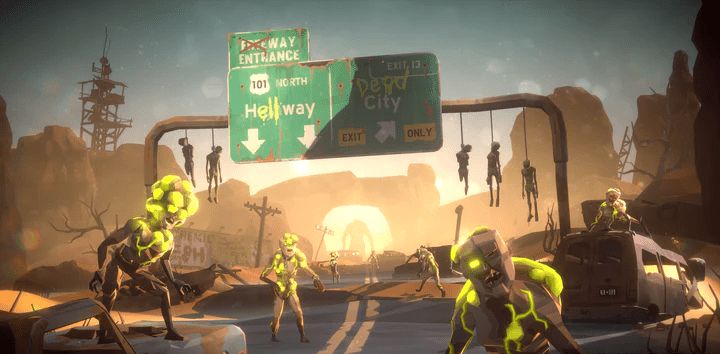
CHAPTER 19 – APOCALYPTIC WASTELAND
They cross a wasteland shaped by fallout—failed experiments, roaming threats, and the remnants of enforcement technology. Without the city’s “order,” danger is raw and constant, and the team is forced to operate as a moving shield around the vulnerable.
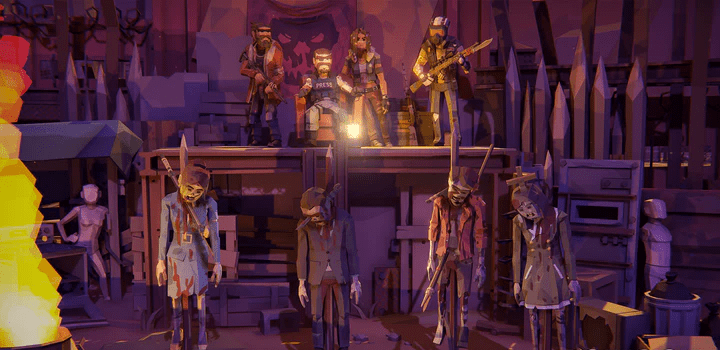
CHAPTER 20 – APOCALYPTIC CITY
The apocalyptic city is a maze of ruin and hostile pockets where every movement costs something. The team navigates factions, traps, and the consequences of prior battles, pushing toward the bunker network tied to Maya and the next phase of the war.
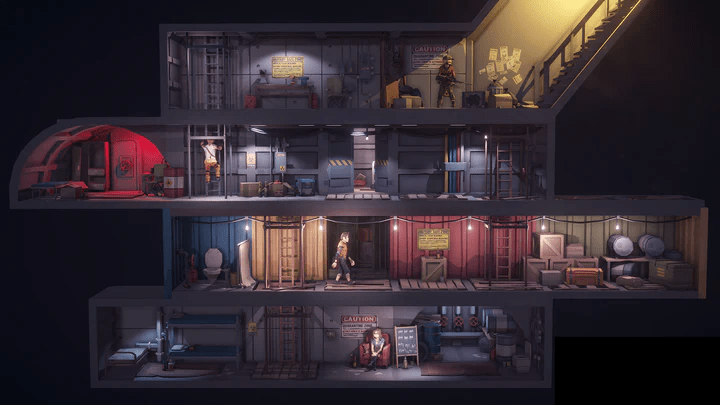
CHAPTER 21 – APOCALYPTIC BUNKER
They finally reach Maya and force the story into its endgame: she explains the Nexus architecture, the function of New Eden, and why Alex matters at a level beyond ordinary kidnapping. The team leaves with a plan that is equal parts rescue mission and system takedown.
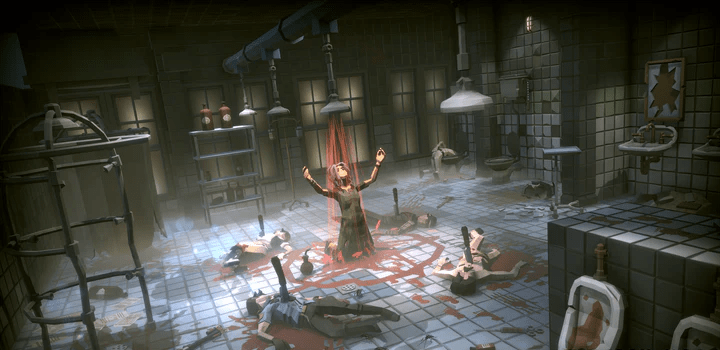
CHAPTER 22 – HORROR ASYLUM
The asylum is where fear is operational—designed to break identity and compliance through controlled trauma. The team survives both physical threats and psychological pressure, leaving with scars and proof that the system’s “research” is just cruelty with lab coats.

CHAPTER 23 – HORROR MANSION
The mansion is a vertical descent into hidden rooms, staged normalcy, and a basement reality built for ownership. The team clears it methodically, finds what’s been concealed, and comes out with more rescued lives—and more certainty that the system must be ended at its source.
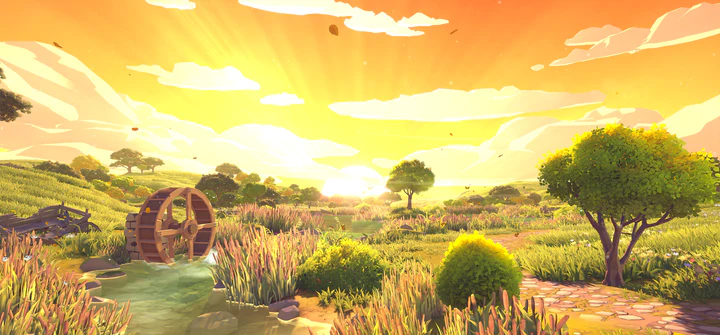
CHAPTER 24 – VALLEY CAMP
Valley Camp becomes the staging ground: triage, logistics, trust, and the emotional weight of what everyone has seen. The team stabilizes long enough to commit to the final route—through the Enchanted Forest and into New Eden.
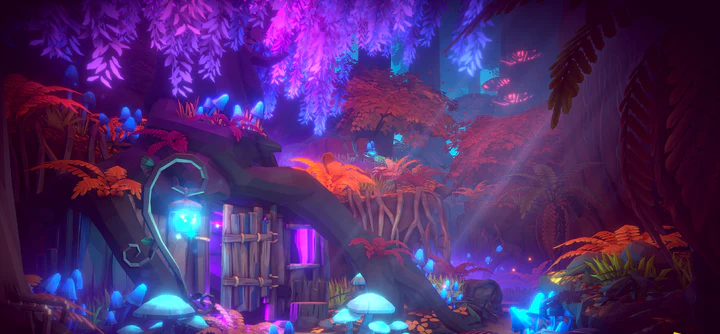
CHAPTER 25 – ENCHANTED FOREST
The forest is engineered bio-nanotech: part surveillance grid, part weapon system, part psychological pressure. With the operator degraded, it becomes survivable—but still dangerous in pockets—and the team crosses it fast, refusing to let curiosity get kids killed.
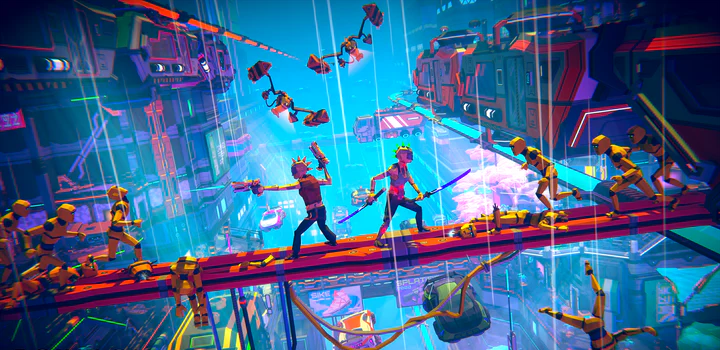
CHAPTER 26 – NEW EDEN
New Eden is a controlled utopia built on coercion—clean surfaces, hidden cages. The team infiltrates the city’s layers, fights disciplined resistance, and closes on the Nexus core facility where the real integration work is happening.
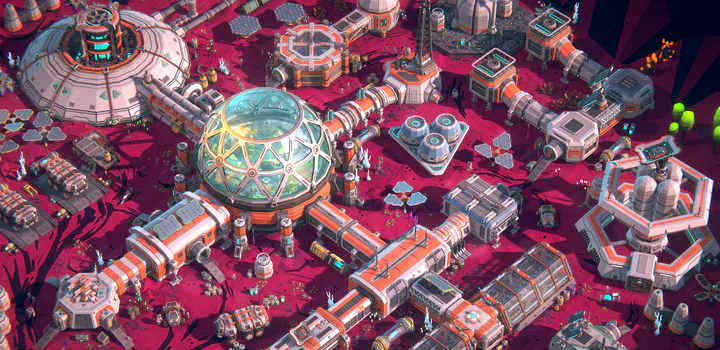
CHAPTER 27 – NEXUS CORE
Inside the core, the mission stops being “find the kid” and becomes “interrupt the point of no return.” The team reaches the VR and pod infrastructure and is forced into the system’s chosen battlefield: a shaped reality designed to tune minds like instruments.
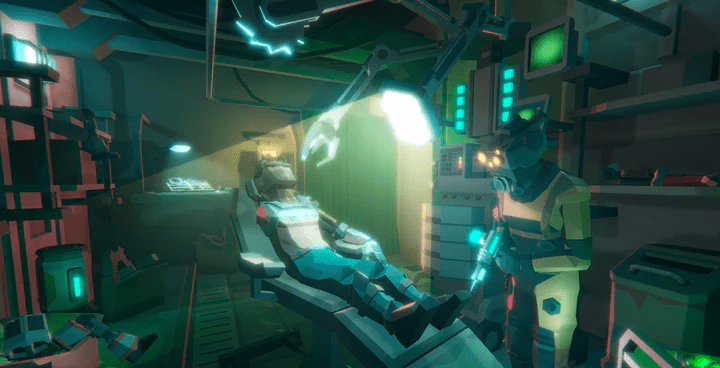
CHAPTER 28 – VR LABORATORY HUB
The VR hub reveals the logic of the trap: the simulations are not entertainment, they’re calibration—shaping memory, meaning, and compliance. Roth’s presence tightens, the metrics become explicit, and the team realizes time in VR is being used to push Alex toward lock.
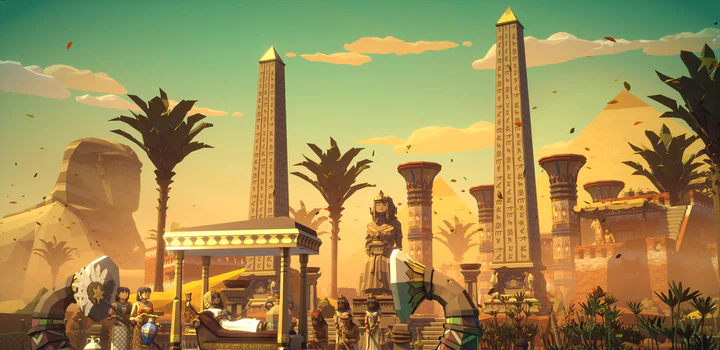
CHAPTER 29 – VR Ancient Egypt
The first era tests authority, ritual, and submission—wrapping control in sacred imagery. The system tries to normalize obedience as “cosmic order,” while Alex and Leyla’s coherence indicators are treated like dials to be turned.
CHAPTER 30 – VR Roman Empire
Rome escalates the argument: empire as “peace,” law as ownership, unity as forced alignment. The team resists the seduction of clean certainty and pushes forward, understanding each success still feeds the integration clock.
CHAPTER 31 – VR Vikings
The simulation swaps empire for tribe—honor, loyalty, and violence as identity. The system tries to fuse belonging with obedience, and the team survives without letting brutality define them.
CHAPTER 32 – VR Medieval Age
Faith, hierarchy, and fear are weaponized here—authority presented as moral necessity. The team holds to truth without accepting counterfeit “holy order,” refusing to let the system redefine conscience.
CHAPTER 33 – VR New World
Colonization and “progress” become the mask: domination framed as destiny. The system tests whether the team will accept ownership if it’s labeled discovery, and they push through without surrendering their moral reference.
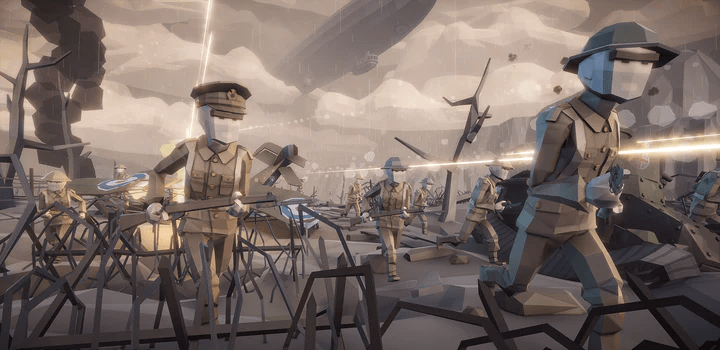
CHAPTER 34 – VR World War 1
Industrial slaughter is used as a tuning fork—endurance, despair, and mechanized death. The system pressures them to accept dehumanization as normal, but they persist without letting the war rewrite who they are.
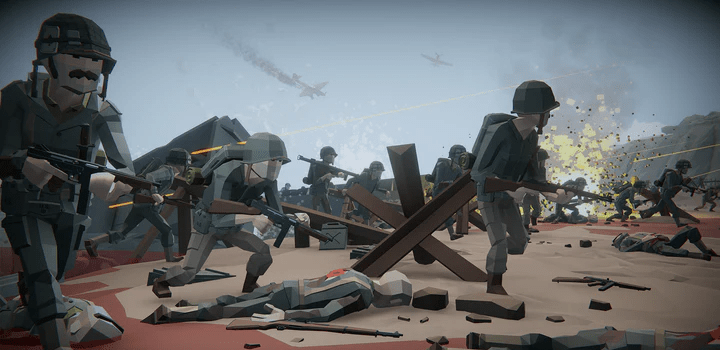
CHAPTER 35 – VR World War 2
Total war, propaganda, and mass compliance are pushed to the edge: the system’s favorite environment. The team resists the idea that atrocity can be “optimized,” and the integration pressure tightens further.
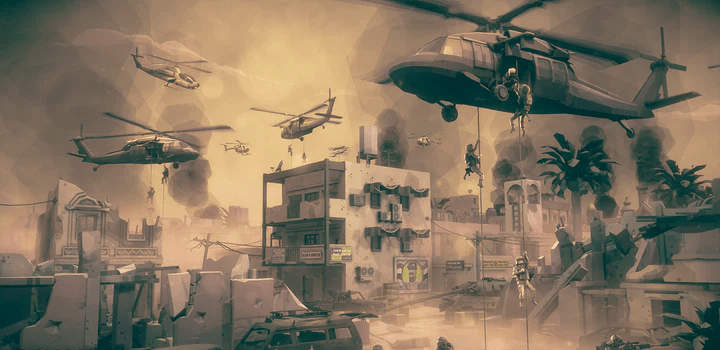
CHAPTER 36 – VR Middle East
Modern conflict becomes the tool—trauma loops, ambiguity, and endless threat. The system tries to exhaust the will until surrender feels like “peace,” and the team survives the psychological grind.
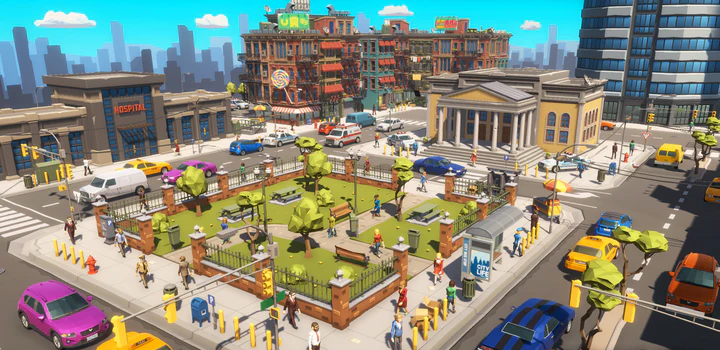
CHAPTER 37 – VR Modern Times
The VR collapses into a familiar world of engineered narratives and soft coercion—where control hides behind normal life. They come out of the harnesses to find Alex near full coherence lock, Leyla marked for discard, and the final breach already underway.
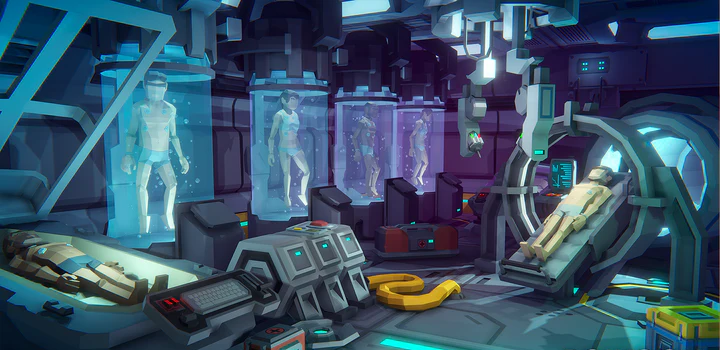
CHAPTER 38 – NEXUS AI
The core chamber turns into a kill box as Thorn’s forces breach and Roth pushes integration toward completion. Reality itself halts under divine intervention, and Alex is given a clear, non-coerced choice—leading to Nexus collapsing when consent is withdrawn; Thorn and Kessler are destroyed by the facility’s own failsafes, and the team physically extracts Alex, Leyla, and the other children before the system can burn them out.
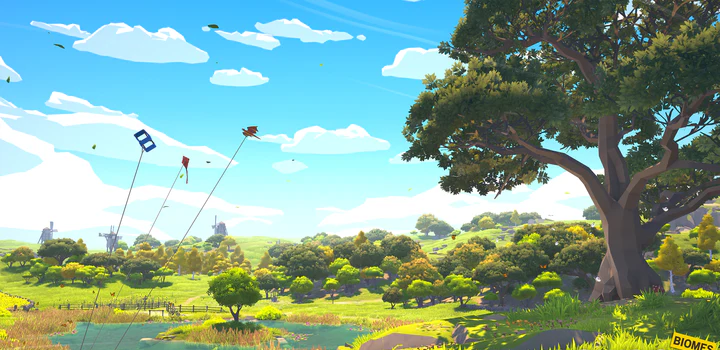
CHAPTER 39 – The Meadow
The survivors reach the valley and reunite with their people—Kira anchoring the return to ordinary human life. They distribute rescued children toward Shanty and the Farm, re-teach “normal,” and set the moral compass for what comes next: the world will always produce new would-be gods, so the defense is discernment—guarding the channel, guarding the word, and keeping choice real.
Please stay tuned to upcoming notifications regarding this book. Again, I want to thank many of my friends and family for all the conversations, contributions and patience. Thank you.
Any donations you can provide would be greatly appreciated. I’ve invested thousands of dollars in purchasing assets, tools and payments towards keeping this website going. Not to mention the 10’s of thousands of hours of labor creating all of my material. There have been countless times I’ve thought of hanging it all up and retiring, but the urgency of the times has compelled me to continue forward. I thank you all in advance for your time.
Please make a one-time donation
Please make a monthly donation
Please make a yearly donation
Choose an amount
Or enter a custom amount
Your contribution is very much appreciated.
Your contribution is very much appreciated.
Your contribution is very much appreciated.
DonateDonate monthlyDonate yearlyIf you want to proof-read my manuscript, please email me at quantumxo@yahoo.com or message me via this website. Thanks.

 Bantam Joe
Leave a comment